CAS · 53123-88-9
Product Overview
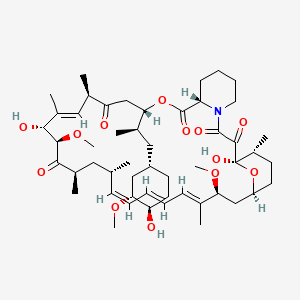
Rapamycin is a high-purity a-api supplied for industrial and specialty chemical applications. Contact our team for specifications, packaging options and lead times.
Product Specifications
| Appearance | White or off-white powder |
|---|---|
| Assay (on anhydrous basis, contain C isomer) | 96.0% to 102.0% |
| Identification | HPLC: The retention time of major peak of test solution should correspond to that of comparison solution IR: Spectrum of test sample should conform to that of reference standard spectrum |
| Related Substances | Impurity A: 1.0% max Unspecified individual impurity (Except for C isomers): 0.3% max Total impurities (Except for C isomers): 2.0% max C isomer: 4.0% max |
| Residual Solvents | Dichloromethane: 600 ppm max Ethyl acetate: 2000 ppm max Ethanol: 1000 ppm max Diethyl ether: 2000 ppm max n-Heptane: 5000 ppm max Water: 0.5% max |
Applications
1. Immunosuppressant in Organ Transplantation
● Used clinically to prevent organ transplant rejection, particularly in kidney transplants.
● Inhibits the mTOR (mechanistic target of rapamycin) pathway, suppressing T-cell activation and proliferation.
● Offers an alternative or adjunct to calcineurin inhibitors, with a different side effect profile.
2. Anti-proliferative and Anti-cancer Agent
● Rapamycin丨CAS 53123-88-9 demonstrates anti-tumor activity by blocking mTOR, a key regulator of cell growth and proliferation.
● Investigated and used for treatment of several cancers:
Renal cell carcinoma
Breast cancer
Neuroendocrine tumors
● Under research for other malignancies, including glioblastoma and lymphoma.
3. Research Tool in Cell Biology
● Widely used to study the mTOR signaling pathway, which is central to regulation of:
Cell growth and metabolism
Autophagy
Protein synthesis
Aging processes
● Serves as a molecular probe in drug discovery and mechanistic studies.
4. Potential Anti-Aging Agent
● Due to its effects on autophagy and cellular senescence, rapamycin is explored in experimental studies targeting lifespan extension and age-related diseases.
● Shown to delay age-related decline in animal models.
5. Treatment of Rare Diseases
● Used in lymphangioleiomyomatosis (LAM), a rare lung disease, to slow disease progression.
● Investigated for use in tuberous sclerosis complex (TSC) and other mTOR pathway-related disorders.
Benefits
1. Potent and Specific mTOR Inhibition
● Rapamycin丨CAS 53123-88-9 selectively inhibits mTOR Complex 1 (mTORC1), modulating multiple cellular processes.
● This targeted action allows modulation of immune responses without global immunosuppression.
2. Versatility in Therapeutic Areas
● Effective in transplant medicine, oncology, and rare disease treatment.
● Potential utility in regenerative medicine and gerontology research.
3. Well-Characterized Pharmacology
● Pharmacokinetics, safety profile, and drug interactions are well studied.
● Available in oral and injectable formulations.
4. Extended Research and Clinical Interest
● Ongoing studies are expanding its use in combination therapies, including cancer immunotherapy and metabolic diseases.
Conclusion
Rapamycin丨CAS 53123-88-9 is a multifunctional macrolide with significant roles in immunosuppression, cancer therapy, and cellular biology research. Its ability to modulate the mTOR pathway offers broad therapeutic potential extending from transplantation to aging and oncology, making it a cornerstone molecule in both clinical and experimental medicine.
Previous
Benzalkonium Chloride丨CAS 63449-41-2
Next