
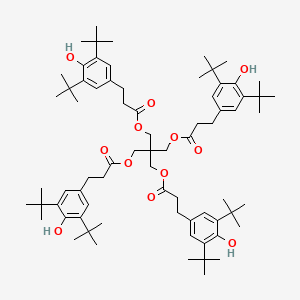
Antioxidant 1010
CAS 6683-19-8
Antioxidant 1010 is a highly effective stabilizer for polymers, rubbers, and industrial formulations. Its benefits include thermal stability, strong antioxidative protection, and…
View details ›Primary and secondary antioxidants, UV stabilizers and processing aids for polymer stabilization and shelf-life extension.
Our antioxidants are used across a wide range of industries and applications. Below are the most common use cases where our products deliver consistent, documented performance.
Browse our antioxidants portfolio organized by product family. Each category includes detailed specifications, safety data and downloadable documentation.
Browse our hindered phenols (ao-1010, 1076) product range with full specifications and documentation.
View products →Browse our phosphites (168, 626) product range with full specifications and documentation.
View products →Browse our hals light stabilizers product range with full specifications and documentation.
View products →Browse our thioesters (dstdp, dltdp) product range with full specifications and documentation.
View products →Browse our blended stabilizer packs product range with full specifications and documentation.
View products →Browse our nucleating agents product range with full specifications and documentation.
View products →Our most popular antioxidants — selected for high demand, reliable supply chain and comprehensive documentation.
CAS 6683-19-8
Antioxidant 1010 is a highly effective stabilizer for polymers, rubbers, and industrial formulations. Its benefits include thermal stability, strong antioxidative protection, and…
View details ›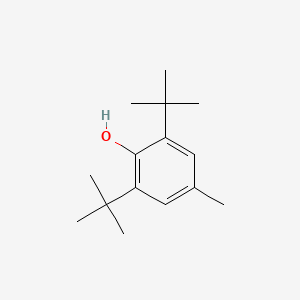
CAS 128-37-0
Butylated Hydroxytoluene丨CAS 128-37-0 is a versatile and highly effective antioxidant with broad applications across food preservation, personal care, pharmaceuticals, plastics, and fuels.…
View details ›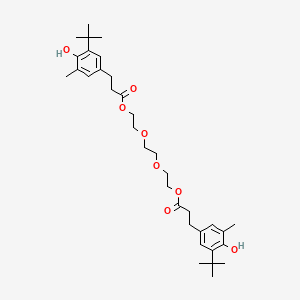
CAS 36443-68-2
Hindered phenolic antioxidant for ABS, HIPS and polyurethanes with excellent gas-fade resistance and low volatility.
View details ›
CAS 5995-86-8
Gallic acid monohydrate丨5995-86-8 is a phenolic compound naturally found in plants, such as oak, tea, and grapes. It is known for its…
View details ›Every batch of Antioxidants we supply undergoes rigorous quality control and comes with complete safety documentation. We are committed to protecting the people who handle our products and the environments in which they are used.

Safety data sheets, handling guidelines and emergency response information are available for every product.
Access technical datasheets, safety documentation and regulatory filings for our antioxidants range.
Detailed specifications, physical properties and application guidelines.
SDS in multiple languages with handling, storage and emergency information.
Lot-specific COA with purity, impurities and test methods.
REACH registration, TSCA status and regional compliance dossiers.
Hindered phenols, phosphites and thioesters for polymers, plus food-grade and fuel antioxidant systems.
Hindered phenols capture radicals while phosphites decompose hydroperoxides, so synergistic blends extend processing and long-term stability at lower total loading.
Commonly 0.05-0.3 percent for phenolics and 0.05-0.2 percent for phosphites, adjusted to the polymer and processing severity.
Selected grades comply with EU 10/2011 and US FDA 21 CFR; declarations are available for food-contact and medical packaging applications.
We offer gas-fading-resistant phenolic grades and can advise on interactions with pigments and titanium dioxide.
Powder, granule, tablet and dust-free masterbatch-style forms depending on the grade.
From 25 kg bags; samples of 1-5 kg are available for evaluation.
Typically 24 months in sealed original packaging stored cool and dry.
Yes, pre-blended primary and secondary systems in ready-to-dose ratios for simpler feeding.
Share your polymer, processing temperature and end-use requirements and we will propose grades and loadings with migration data.
Tell us about your antioxidants requirements and our specialists will respond with options, documents and a quotation.