
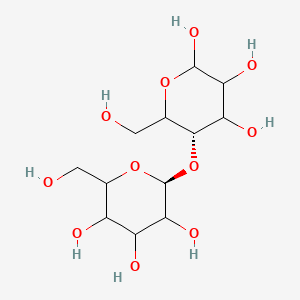
Microcrystalline Cellulose
CAS 9004-34-6
Microcrystalline Cellulose (MCC) | CAS 9004-34-6 is a purified, partially depolymerized cellulose derived from natural plant fibers. Widely utilized across the pharmaceutical,…
View details ›High-purity excipients and formulation ingredients for solid dosage, injectables and topical pharmaceutical manufacturing — meeting USP, EP and JP pharmacopoeia standards.

Our pharmaceutical excipients are used across a wide range of industries and applications. Below are the most common use cases where our products deliver consistent, documented performance.
Browse our pharmaceutical excipients portfolio organized by product family. Each category includes detailed specifications, safety data and downloadable documentation.
Browse our binders product range with full specifications and documentation.
View products →Browse our disintegrants product range with full specifications and documentation.
View products →Browse our lubricants product range with full specifications and documentation.
View products →Browse our fillers & diluents product range with full specifications and documentation.
View products →Browse our coating materials product range with full specifications and documentation.
View products →Browse our solubilizers product range with full specifications and documentation.
View products →Our most popular pharmaceutical excipients — selected for high demand, reliable supply chain and comprehensive documentation.
CAS 9004-34-6
Microcrystalline Cellulose (MCC) | CAS 9004-34-6 is a purified, partially depolymerized cellulose derived from natural plant fibers. Widely utilized across the pharmaceutical,…
View details ›CAS 557-04-0
Magnesium Stearate丨CAS 557-04-0 is a fine, white powder composed of magnesium salts of stearic acid. It is widely used across various industries,…
View details ›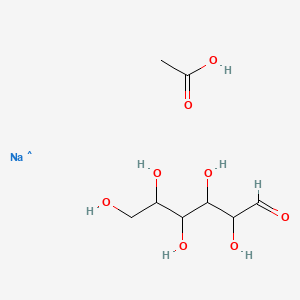
CAS 74811-65-7
Croscarmellose Sodium丨CAS 74811-65-7 is a cross-linked polymer of carboxymethylcellulose, commonly used in the pharmaceutical and nutraceutical industries. It is widely recognized for…
View details ›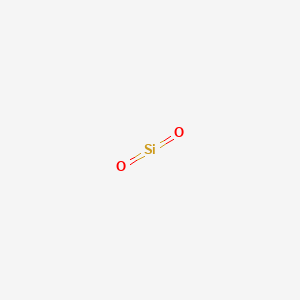
CAS 7631-86-9
Colloidal Silicon Dioxide丨CAS 7631-86-9 is a high-purity form of silicon dioxide, commonly used as an excipient in various industries, including pharmaceuticals, nutraceuticals,…
View details ›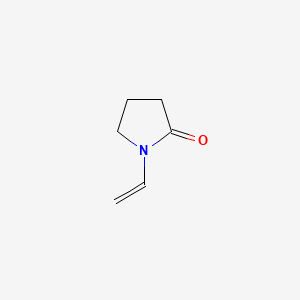
CAS 9003-39-8
Polyvinylpyrrolidone (PVP), CAS 9003-39-8, is a versatile and widely used synthetic polymer, known for its excellent water solubility, biocompatibility, and binding capabilities.…
View details ›Every batch of Pharmaceutical Excipients we supply undergoes rigorous quality control and comes with complete safety documentation. We are committed to protecting the people who handle our products and the environments in which they are used.

Safety data sheets, handling guidelines and emergency response information are available for every product.
Access technical datasheets, safety documentation and regulatory filings for our pharmaceutical excipients range.
Detailed specifications, physical properties and application guidelines.
SDS in multiple languages with handling, storage and emergency information.
Lot-specific COA with purity, impurities and test methods.
REACH registration, TSCA status and regional compliance dossiers.
Our excipients are supplied against USP-NF, Ph. Eur. and JP monographs where they exist, and every batch ships with a Certificate of Analysis showing compliance with the relevant standard.
Yes. Our technical team advises on particle size, viscosity grade, degree of substitution and functionality so you can match the grade to your tablet, capsule or liquid formulation.
We supply directly compressible grades such as microcrystalline cellulose, lactose monohydrate and modified starches with optimized flowability and compressibility for direct compression routes.
Key products are tested for elemental impurities per ICH Q3D and USP <232>, and we provide nitrosamine risk statements and supporting toxicology data on request.
For principal excipient grades we can support your filing with Drug Master Files, change-control notifications, supplier questionnaires and audit arrangements.
Standard packaging is 25 kg fibre drums with polyethylene liners; big bags and custom palletized export packaging are available for production-scale orders.
R&D quantities start at 1-25 kg depending on the product; commercial orders typically start from 100 kg, and we accommodate trial orders before scale-up.
Yes, evaluation samples are usually dispatched within 3-5 business days together with the latest COA and technical data sheet.
Most excipients are stable for 24-36 months when stored sealed in a cool, dry place; the retest or expiry date is stated on every COA.
Milling, sieving and pre-blending services are available so grades can be tailored to your process requirements and unit operations.
Tell us about your pharmaceutical excipients requirements and our specialists will respond with options, documents and a quotation.