
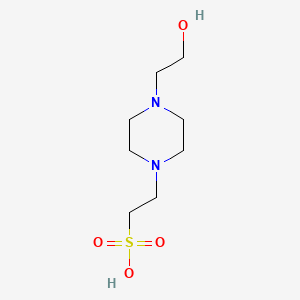
HEPES
CAS 7365-45-9
HEPES (CAS 7365-45-9) is a high-performance biological buffer prized for its excellent pH control, biocompatibility, and versatility in cell culture, molecular biology,…
View details ›Good's buffers and specialty biological buffers for protein purification, cell culture, diagnostics and biochemical assays.
Our biological buffer are used across a wide range of industries and applications. Below are the most common use cases where our products deliver consistent, documented performance.
Browse our biological buffer portfolio organized by product family. Each category includes detailed specifications, safety data and downloadable documentation.
Browse our hepes, mops, tris product range with full specifications and documentation.
View products →Browse our phosphate buffers product range with full specifications and documentation.
View products →Browse our citrate & acetate buffers product range with full specifications and documentation.
View products →Browse our specialty zwitterionic buffers product range with full specifications and documentation.
View products →Browse our buffered saline solutions product range with full specifications and documentation.
View products →Browse our ph indicator dyes product range with full specifications and documentation.
View products →Our most popular biological buffer — selected for high demand, reliable supply chain and comprehensive documentation.
CAS 7365-45-9
HEPES (CAS 7365-45-9) is a high-performance biological buffer prized for its excellent pH control, biocompatibility, and versatility in cell culture, molecular biology,…
View details ›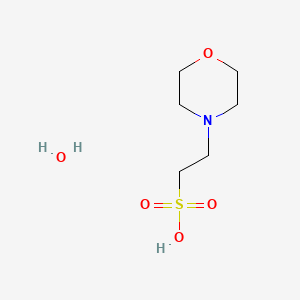
CAS 1266615-59-1
Good's buffer (pKa ~6.1) for protein crystallisation, chromatography and plant biochemistry in the pH 5.5-6.7 range.
View details ›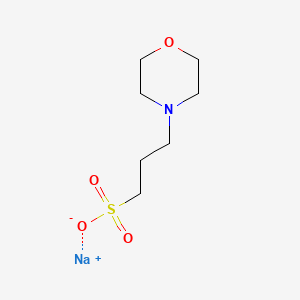
CAS 71119-22-7
MOPS sodium salt (CAS 71119-22-7) is an essential biological buffer widely used to maintain pH stability in the 6.5 to 7.9 range.…
View details ›
CAS 5625-37-6
PIPES丨5625-37-6 is a buffering agent used to maintain the pH of biological and biochemical systems. It is widely used in cell culture,…
View details ›
CAS 1135-40-6
CAPS (also known as N-cyclohexyl-3-aminopropanesulfonic acid), with the Chemical Abstracts Service (CAS) number 1135-40-6, is an organic compound that is often used…
View details ›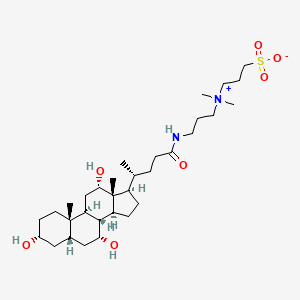
CAS 75621-03-3
CHAPS丨CAS 75621-03-3 is a zwitterionic detergent derived from cholic acid. It combines a steroid-based hydrophobic region with a hydrophilic sulfonate and quaternary…
View details ›Every batch of Biological Buffer we supply undergoes rigorous quality control and comes with complete safety documentation. We are committed to protecting the people who handle our products and the environments in which they are used.

Safety data sheets, handling guidelines and emergency response information are available for every product.
Access technical datasheets, safety documentation and regulatory filings for our biological buffer range.
Detailed specifications, physical properties and application guidelines.
SDS in multiple languages with handling, storage and emergency information.
Lot-specific COA with purity, impurities and test methods.
REACH registration, TSCA status and regional compliance dossiers.
HEPES, MOPS, MES, Tris, PIPES, TAPS and related zwitterionic buffers in research and biomanufacturing grades.
Typically 99 percent assay or better with low UV absorbance at 260 and 280 nm, important for spectrophotometric and enzymatic work.
Yes, cell-culture-tested grades with low endotoxin, verified pH range and osmolality data.
Low-endotoxin grades are tested by kinetic chromogenic LAL, with results reported on the COA.
Each buffer has its effective pH window; we supply pH-adjusted solutions on request in addition to crystalline powder.
100 g, 500 g and 1 kg bottles, 25 kg drums for production, and pre-weighed sachets for media preparation.
Powders are stable for 24-36 months at room temperature in dry conditions; prepared solutions should be sterile-filtered and used per your SOP.
From 100 g for research; bulk 25 kg packs for bioprocessing.
Solution clarity and filtration behaviour are controlled for biomanufacturing grades and documented on request.
Yes, ready-to-use blends such as running buffers and formulation buffers made to your recipe.
Tell us about your biological buffer requirements and our specialists will respond with options, documents and a quotation.