
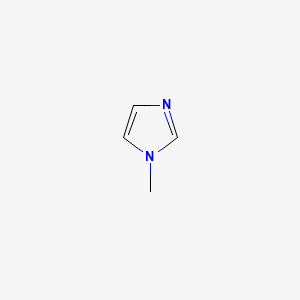
1-Methylimidazole
CAS 616-47-7
1-Methylimidazole丨616-47-7 is a versatile and widely used organic compound with a heterocyclic structure featuring a nitrogen-containing ring. It is a methylated derivative…
View details ›Homogeneous and heterogeneous catalysts, ligands and process auxiliaries for fine chemical and pharmaceutical synthesis.
Our catalysts & auxiliary are used across a wide range of industries and applications. Below are the most common use cases where our products deliver consistent, documented performance.
Browse our catalysts & auxiliary portfolio organized by product family. Each category includes detailed specifications, safety data and downloadable documentation.
Browse our pd catalysts (pd/c, pd(oac)2, etc.) product range with full specifications and documentation.
View products →Browse our phosphine ligands product range with full specifications and documentation.
View products →Browse our grubbs/hoveyda metathesis catalysts product range with full specifications and documentation.
View products →Browse our organocatalysts product range with full specifications and documentation.
View products →Browse our phase-transfer catalysts product range with full specifications and documentation.
View products →Browse our nanoparticle catalysts product range with full specifications and documentation.
View products →Our most popular catalysts & auxiliary — selected for high demand, reliable supply chain and comprehensive documentation.
CAS 616-47-7
1-Methylimidazole丨616-47-7 is a versatile and widely used organic compound with a heterocyclic structure featuring a nitrogen-containing ring. It is a methylated derivative…
View details ›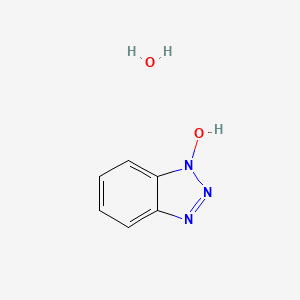
CAS 123333-53-9
HOBt - peptide-coupling additive that suppresses racemisation and improves amide-bond formation efficiency.
View details ›CAS 112022-81-8
In summary, (S)-2-Methyl-CBS-oxazaborolidine is a highly effective chiral catalyst essential for asymmetric reduction and enantioselective synthesis. Its combination of high selectivity, stability,…
View details ›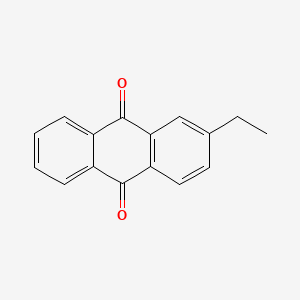
CAS 84-51-5
2-Ethyl anthraquinone (CAS 84-51-5) is a vital compound primarily known for its role in the anthraquinone process for hydrogen peroxide production. Its…
View details ›Every batch of Catalysts & Auxiliary we supply undergoes rigorous quality control and comes with complete safety documentation. We are committed to protecting the people who handle our products and the environments in which they are used.

Safety data sheets, handling guidelines and emergency response information are available for every product.
Access technical datasheets, safety documentation and regulatory filings for our catalysts & auxiliary range.
Detailed specifications, physical properties and application guidelines.
SDS in multiple languages with handling, storage and emergency information.
Lot-specific COA with purity, impurities and test methods.
REACH registration, TSCA status and regional compliance dossiers.
Heterogeneous precious and base metal catalysts, organometallic catalysts, and process auxiliaries such as polymerization and specialty additives.
ICP-OES assay of active metal loading is reported for every batch together with surface area where relevant.
Representative conversion and selectivity data under reference conditions are available for principal catalyst grades.
For selected precious metal systems we offer take-back and refining recovery routes; ask our team about the recovery programme.
Pyrophoric and reduced catalysts are shipped wet or under inert gas and should be kept sealed and away from air exposure.
Sealed steel or plastic pails and drums with inert gas headspace where required; detailed handling instructions accompany every product.
From 100 g for screening trials through to bulk supply for production units.
Catalogue catalysts 1-3 weeks; manufactured-to-order systems 6-10 weeks.
Yes, sample quantities and application guidance are available to help you screen candidates before committing to volume.
COA, SDS, and where applicable REACH, transport classification and precious metal content declaration.
Tell us about your catalysts & auxiliary requirements and our specialists will respond with options, documents and a quotation.