

Chlorothalonil
CAS 1897-45-6
In conclusion, Chlorothalonil remains a vital fungicide in modern agriculture and plant protection. Its wide applicability, strong protective action, and resilience against…
View details ›Protective and curative bactericides/fungicides for controlling bacterial and fungal diseases across field crops, fruits, vegetables and ornamentals.
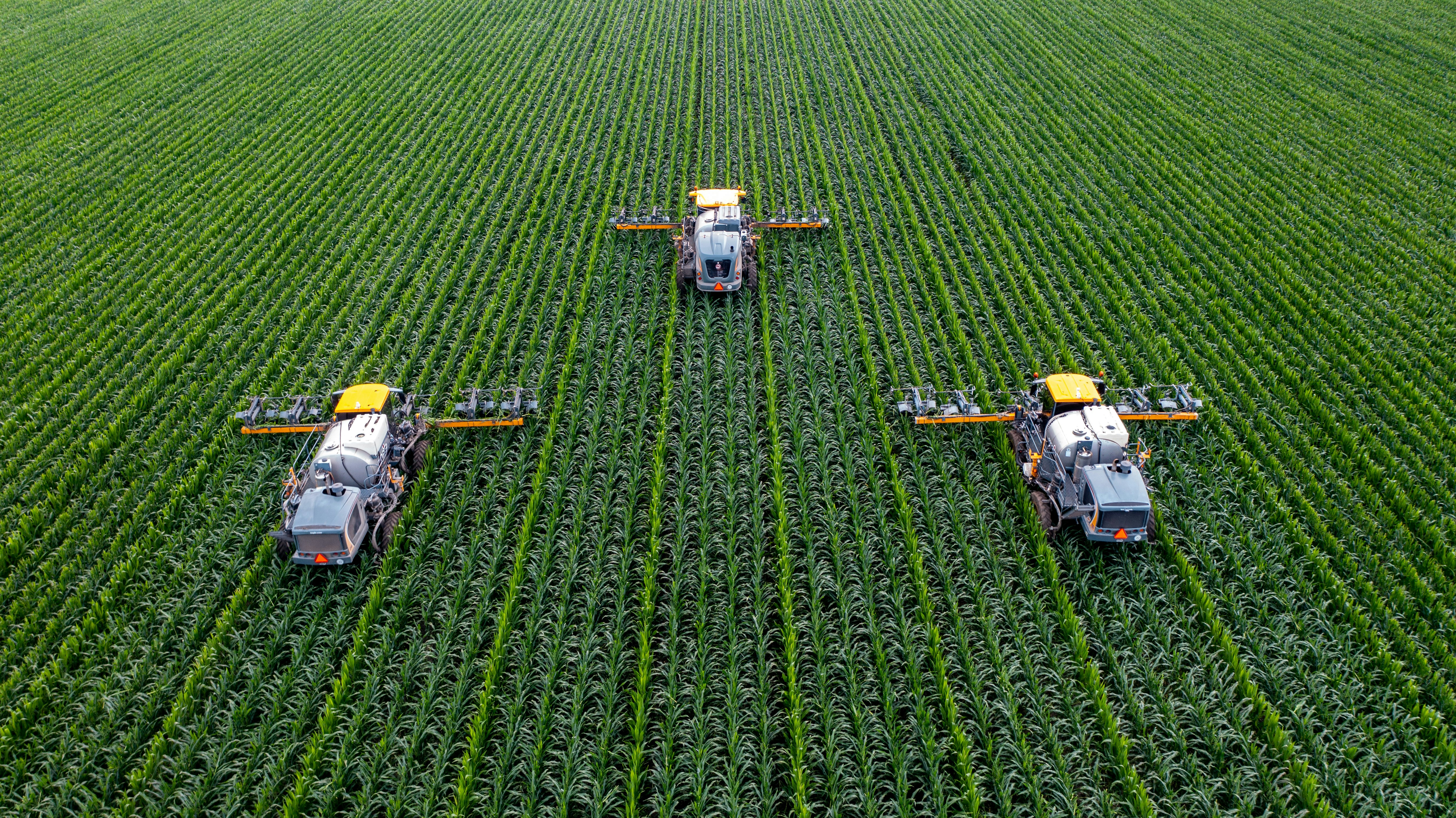
Our bactericides are used across a wide range of industries and applications. Below are the most common use cases where our products deliver consistent, documented performance.
Browse our bactericides portfolio organized by product family. Each category includes detailed specifications, safety data and downloadable documentation.
Browse our copper compounds (basic sulfate, oxychloride) product range with full specifications and documentation.
View products →Browse our strobilurins (azoxystrobin, etc.) product range with full specifications and documentation.
View products →Browse our triazoles (tebuconazole, etc.) product range with full specifications and documentation.
View products →Browse our sdhi (bixafen, fluxapyroxad) product range with full specifications and documentation.
View products →Browse our antibacterial streptomycin / kasugamycin product range with full specifications and documentation.
View products →Browse our biologicals (bacillus spp., trichoderma) product range with full specifications and documentation.
View products →Our most popular bactericides — selected for high demand, reliable supply chain and comprehensive documentation.
CAS 1897-45-6
In conclusion, Chlorothalonil remains a vital fungicide in modern agriculture and plant protection. Its wide applicability, strong protective action, and resilience against…
View details ›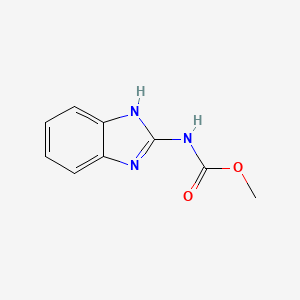
CAS 10605-21-7
Carbendazim丨CAS 10605-21-7, is a systemic, broad-spectrum benzimidazole fungicide widely used in agriculture and horticulture. It is known for its effectiveness in controlling…
View details ›
CAS 107534-96-3
In conclusion, Tebuconazole is a key fungicide in modern crop protection, offering systemic, broad-spectrum control of fungal diseases across a variety of…
View details ›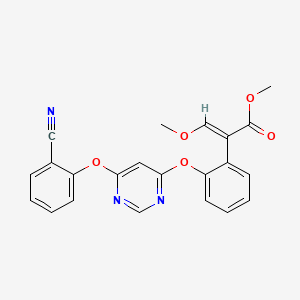
CAS 131860-33-8
QoI strobilurin fungicide inhibiting mitochondrial respiration; broad-spectrum protection across crops.
View details ›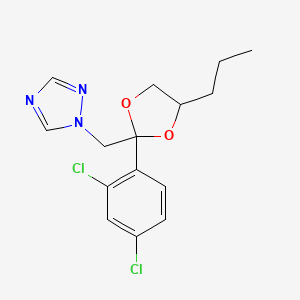
CAS 60207-90-1
Propiconazole丨CAS 60207-90-1 is a systemic triazole fungicide widely used in agriculture, horticulture, and turf management. It is known for its broad-spectrum fungicidal…
View details ›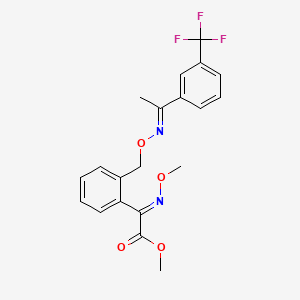
CAS 141517-21-7
Trifloxystrobin丨CAS 141517-21-7 is a systemic, broad-spectrum fungicide belonging to the strobilurin class of agrochemicals. It is used extensively in agriculture to protect…
View details ›Every batch of Bactericides we supply undergoes rigorous quality control and comes with complete safety documentation. We are committed to protecting the people who handle our products and the environments in which they are used.

Safety data sheets, handling guidelines and emergency response information are available for every product.
Access technical datasheets, safety documentation and regulatory filings for our bactericides range.
Detailed specifications, physical properties and application guidelines.
SDS in multiple languages with handling, storage and emergency information.
Lot-specific COA with purity, impurities and test methods.
REACH registration, TSCA status and regional compliance dossiers.
Copper-based compounds, antibiotic-derived and biological actives, plus disinfectant-grade chemistries for agricultural use.
Copper ions denature proteins and disrupt membranes of bacteria on contact, giving a protectant effect that requires coverage before infection.
Yes, especially with single-site actives, so alternating or mixing protectant and systemic modes of action is recommended.
Protectants act on the surface before infection, while systemics are absorbed and move within plant tissue to check established infections.
Copper can scorch some crops under slow-drying, hot conditions; use crop-cleared formulations and avoid application under stress.
WP, WG and SC copper formulations, soluble powders for systemic actives, and wettable powders for biologicals.
Many combinations are standard, but copper is incompatible with some actives, so check per product before mixing.
We provide residue reference data to support compliance with export market limits, especially for fruit and vegetables.
25 kg bags and drums for technical and formulated material, with smaller packs for formulated goods.
Yes, timing relative to infection periods and dose ranges per crop are documented in the technical data sheets.
Tell us about your bactericides requirements and our specialists will respond with options, documents and a quotation.