
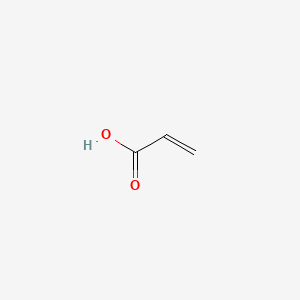
Acrylic acid
CAS 79-10-7
Acrylic Acid is a key industrial monomer and intermediate with broad applications in polymers, coatings, and specialty chemicals. Its reactivity, versatility, and…
View details ›Performance additives for paints, coatings and inks — improving flow, leveling, defoaming, curing and surface properties.

Our coating additives are used across a wide range of industries and applications. Below are the most common use cases where our products deliver consistent, documented performance.
Browse our coating additives portfolio organized by product family. Each category includes detailed specifications, safety data and downloadable documentation.
Browse our defoamers & air release product range with full specifications and documentation.
View products →Browse our wetting & dispersing agents product range with full specifications and documentation.
View products →Browse our rheology modifiers product range with full specifications and documentation.
View products →Browse our flash rust inhibitors product range with full specifications and documentation.
View products →Browse our catalysts (for pu/epoxy) product range with full specifications and documentation.
View products →Browse our matting agents product range with full specifications and documentation.
View products →Our most popular coating additives — selected for high demand, reliable supply chain and comprehensive documentation.
CAS 79-10-7
Acrylic Acid is a key industrial monomer and intermediate with broad applications in polymers, coatings, and specialty chemicals. Its reactivity, versatility, and…
View details ›CAS 557-05-1
Metallic soap used as a sanding aid, lubricant and flatting agent in coatings and as a mould-release/stabiliser in plastics.
View details ›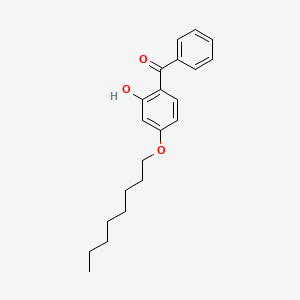
CAS 1843-05-6
Octabenzone is an effective UV stabilizer that plays a critical role in safeguarding plastics, coatings, adhesives, and textiles against UV-induced deterioration. Its…
View details ›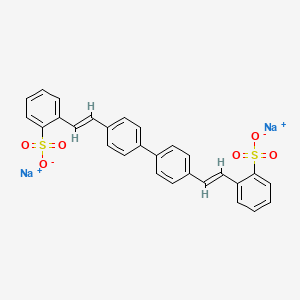
CAS 27344-41-8
Fluorescent Brightener CBS-X is an indispensable additive in detergents, textiles, and paper manufacturing, providing a reliable solution for enhancing whiteness and brightness.…
View details ›CAS 153519-44-9
UV 400 is a reliable and versatile ultraviolet absorber that plays a critical role in protecting plastics, coatings, adhesives, and textiles from…
View details ›
CAS 763-69-9
Ethyl 3-ethoxypropionate (CAS 763-69-9) is a versatile solvent with significant importance in coatings, inks, adhesives, and electronics. Its unique balance of slow…
View details ›Every batch of Coating Additives we supply undergoes rigorous quality control and comes with complete safety documentation. We are committed to protecting the people who handle our products and the environments in which they are used.

Safety data sheets, handling guidelines and emergency response information are available for every product.
Access technical datasheets, safety documentation and regulatory filings for our coating additives range.
Detailed specifications, physical properties and application guidelines.
SDS in multiple languages with handling, storage and emergency information.
Lot-specific COA with purity, impurities and test methods.
REACH registration, TSCA status and regional compliance dossiers.
Defoamers and deaerators, wetting and dispersing agents, leveling agents, coalescents and rheology modifiers for waterborne and solventborne systems.
Most performance additives work at 0.1-2 percent on total formulation; dispersants are dosed on pigment surface area and defoamers at 0.05-0.5 percent.
Overdosing certain silicones causes craters and recoat problems, so we recommend starting at low dosage and increasing stepwise with compatibility testing.
Yes, VOC-free and APEO-free grades are available for low-emission waterborne systems.
Waterborne additives are tested for several freeze-thaw cycles; storage above 5 degrees C is recommended for sensitive grades.
Compatibility, foam height, rub-out colour acceptance and gloss data from reference formulations are available in the TDS.
25 kg pails, 200 kg drums and 1000 kg IBC totes.
From one 25 kg pail; samples of 1-2 kg ship for lab evaluation.
Yes, send the formulation details and defect description and our team will propose candidates and a trial plan.
Typically 12-24 months sealed at 5-30 degrees C, depending on the chemistry.
Tell us about your coating additives requirements and our specialists will respond with options, documents and a quotation.