
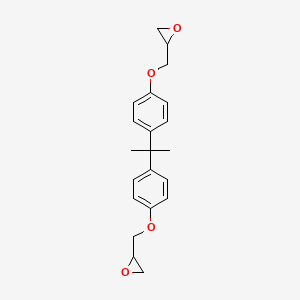
Bisphenol A diglycidyl ether
CAS 1675-54-3
Bisphenol A Diglycidyl Ether (CAS 1675-54-3) is a vital building block for epoxy resins, known for producing high-performance materials with strong adhesion,…
View details ›Ion-exchange, adsorption and solid-phase synthesis resins for water treatment, pharmaceutical purification and chemical processing.

Our resins are used across a wide range of industries and applications. Below are the most common use cases where our products deliver consistent, documented performance.
Browse our resins portfolio organized by product family. Each category includes detailed specifications, safety data and downloadable documentation.
Browse our strong/weak acid cation resins product range with full specifications and documentation.
View products →Browse our strong/weak base anion resins product range with full specifications and documentation.
View products →Browse our chelating resins product range with full specifications and documentation.
View products →Browse our adsorbent resins product range with full specifications and documentation.
View products →Browse our polystyrene sps resins product range with full specifications and documentation.
View products →Browse our mixed-bed resins product range with full specifications and documentation.
View products →Our most popular resins — selected for high demand, reliable supply chain and comprehensive documentation.
CAS 1675-54-3
Bisphenol A Diglycidyl Ether (CAS 1675-54-3) is a vital building block for epoxy resins, known for producing high-performance materials with strong adhesion,…
View details ›
CAS 76050-42-5
Carbomer 940 (CAS 76050-42-5) is a versatile, highly efficient thickener and stabilizer extensively used in cosmetics, pharmaceuticals, household products, and some food…
View details ›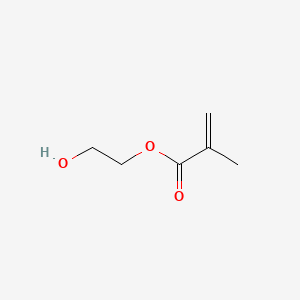
CAS 868-77-9
2-Hydroxyethyl methacrylate (HEMA, CAS 868-77-9) is a versatile and widely used monomer, prized for its reactivity, hydrophilicity, and adhesion-enhancing properties. It plays…
View details ›Every batch of Resins we supply undergoes rigorous quality control and comes with complete safety documentation. We are committed to protecting the people who handle our products and the environments in which they are used.

Safety data sheets, handling guidelines and emergency response information are available for every product.
Access technical datasheets, safety documentation and regulatory filings for our resins range.
Detailed specifications, physical properties and application guidelines.
SDS in multiple languages with handling, storage and emergency information.
Lot-specific COA with purity, impurities and test methods.
REACH registration, TSCA status and regional compliance dossiers.
Epoxy, acrylic, alkyd and specialty synthetic resins for coatings, adhesives, composites and construction chemistry.
Selection depends on the cure chemistry, softening point, molecular weight and solubility requirements of your system; our team matches grades to your formulation and processing window.
Solid flakes, pastilles, powders and liquid forms, depending on the grade.
Softening point, epoxy equivalent weight or acid value, viscosity, GPC molecular weight and DSC cure data as applicable.
25 kg bags for solids, 200 kg drums and 1000 kg IBC for liquids.
From 25 kg for trials; volume pricing applies from pallet quantities.
Yes, dispersion and high-solids grades are available for low-VOC formulations.
Cool, dry storage away from direct sun; most grades are stable 12-24 months unopened.
Yes, 1-5 kg samples ship quickly so you can evaluate compatibility, cure and film properties.
Yes, modified or co-produced resins to your specification are possible through partner plants.
Tell us about your resins requirements and our specialists will respond with options, documents and a quotation.