
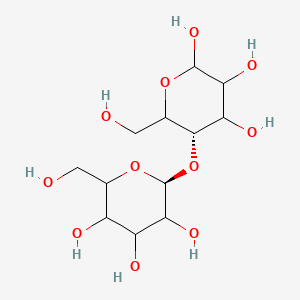
CAS · 9004-34-6
Product Overview
Microcrystalline Cellulose (MCC) | CAS 9004-34-6 is a purified, partially depolymerized cellulose derived from natural plant fibers. Widely utilized across the pharmaceutical, food, and cosmetic industries, MCC is renowned for its versatility as a functional excipient. With its unique properties, MCC enhances product performance and quality in a variety of applications.
Product Specifications
| Property | Specification |
|---|---|
| Grade | PH 101/USP 40 |
| Appearance | White or similar white, fine or granular powder |
| Assay | 97% to 102% |
| Polymerization | 350 max |
| Granulometry | Remains 60 mesh <1%, remains 200 mesh >30% |
| Conductivity | 75 µS/cm max |
| pH Value | 5.0 to 7.5 |
| Loss on Drying | 7.0% max |
| Residue on Ignition | 0.1% max |
| Water Soluble Substance | 0.25% max |
| Ether-Soluble Substances | 0.05% max |
| Heavy Metal | 10 ppm max |
| Total Aerobic Microbial Count (TAMC) | 1000 cfu/g max |
| Total Yeast and Mold Count (TYMC) | 100 cfu/g max |
Applications
1. Pharmaceutical Industry:
- Tablet and Capsule Formulations: Microcrystalline cellulose is commonly used as a binder and filler in tablet and capsule manufacturing. Its excellent compressibility allows for strong, durable tablets produced via direct compression or wet granulation techniques.
- Controlled-Release Systems: Microcrystalline Cellulose can be used in controlled-release formulations, ensuring the consistent and gradual release of active ingredients.
2. Food Industry:
- Food Additive: Microcrystalline cellulose serves as an anti-caking agent, stabilizer, and texturizer in food products, improving texture, shelf life, and consistency.
- Calorie Reduction: As a fat substitute, MCC is included in low-calorie foods to enhance mouthfeel without adding significant calories.
3. Cosmetics and Personal Care:
- Thickener and Stabilizer: In creams, lotions, and other cosmetic formulations, MCC acts as a stabilizer and thickening agent, providing desirable texture and consistency.
- Exfoliating Agent: Its granular form is sometimes incorporated into skincare products for gentle exfoliation.
Benefits
1. Exceptional Binding Properties:
- Microcrystalline Cellulose provides robust binding in tablet formulations, ensuring the production of high-quality tablets that maintain their structural integrity during handling and storage.
2. Versatility in Formulations:
- It is compatible with a wide range of active pharmaceutical ingredients (APIs) and excipients, allowing formulators to create diverse product types across industries.
3. Enhanced Stability:
- Microcrystalline cellulose is chemically stable, non-reactive, and resistant to moisture, making it an excellent choice for formulations requiring long-term stability.
4. Improved Product Performance:
- In addition to its role as a binder and filler, MCC improves the disintegration and dissolution rates of tablets, contributing to the bioavailability of active ingredients.
5. Safe and Non-Toxic:
- MCC is recognized as safe (GRAS) by regulatory authorities, ensuring consumer confidence and compliance with global standards.
Conclusion
A concise summary and suitability assessment for this product is available on request. Contact our team to discuss whether it fits your process and quality requirements.