
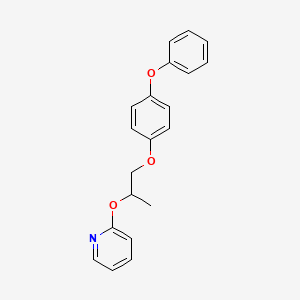
CAS · 95737-68-1
Product Overview
Pyriproxyfen is a high-purity insecticides supplied for industrial and specialty chemical applications. Contact our team for specifications, packaging options and lead times.
Product Specifications
| Appearance: | White powder |
|---|---|
| Assay: | 97% min |
| Water: | 0.5% max |
| pH: | 5.0 - 8.0 |
| Acetone Insoluble: | 0.5% max |
Applications
1. Agricultural Pest Control
Pyriproxyfen is extensively used in agriculture to manage pests in crops such as:
● Cotton
● Citrus fruits
● Vegetables
● Ornamentals
It controls a broad range of pests, especially whiteflies, aphids, thrips, and scale insects by disrupting their life cycles.
Mode of Action:
● Inhibits metamorphosis from larva to adult
● Prevents egg hatching and development
● Sterilizes adult insects
This makes it effective in resistance management and integrated pest management (IPM) systems due to its non-neurotoxic, targeted action.
2. Public Health and Mosquito Control
Pyriproxyfen is used in mosquito control programs to curb the spread of diseases such as:
● Dengue fever
● Zika virus
● Chikungunya
● Malaria
It is often applied in:
● Larvicidal treatments of stagnant water sources
● Treated bed nets
● Indoor residual sprays
● Container treatments
Its long-lasting action in water bodies helps disrupt mosquito breeding and reduce adult mosquito populations, especially Aedes aegypti and Anopheles species.
3. Veterinary Use
Pyriproxyfen is commonly included in flea control products for pets such as dogs and cats. It is formulated in:
● Spot-on treatments
● Flea collars
● Sprays and shampoos
By preventing the development of flea eggs and larvae, it breaks the infestation cycle without harming pets.
4. Household and Structural Pest Control
Used in combination with other insecticides, pyriproxyfen is effective in:
● Cockroach baits
● Ant control products
● Household sprays
It complements adulticidal insecticides by sterilizing surviving adults and preventing new infestations.
5. Stored Product Protection
It is sometimes used to protect stored grains and commodities by preventing infestations by pests such as moths and beetles, without the use of toxic fumigants.
Benefits
1. Target-Specific Action
Pyriproxyfen's mode of action is highly specific to insect endocrine systems, meaning:
● It does not harm humans or animals at normal exposure levels
● Minimal impact on beneficial insects like pollinators when used appropriately
This selectivity makes it an excellent choice for IPM programs.
2. Low Mammalian Toxicity
Pyriproxyfen is classified as having low acute toxicity to mammals. It is:
● Non-carcinogenic
● Non-mutagenic
● Safe for use in public health and domestic settings when applied according to guidelines
This improves user and environmental safety.
3. Long Residual Activity
It offers long-lasting control by remaining active for extended periods, especially in water or porous surfaces. This:
● Reduces frequency of applications
● Lowers labor and product costs
4. Resistance Management
When used in rotation with or in combination with other insecticides (such as adulticides), pyriproxyfen helps delay resistance development, making it valuable for sustainable pest control programs.
5. Environmental Compatibility
● Rapidly degrades in sunlight and soil
● Low bioaccumulation potential
● Minimal aquatic toxicity when used in recommended doses
This eco-friendly profile supports green pest control strategies.
Conclusion
Pyriproxyfen丨CAS 95737-68-1 is a highly effective insect growth regulator that plays a critical role in agricultural pest control, vector-borne disease management, veterinary care, and household insect control. Its target-specific action, long residual efficacy, and low toxicity profile make it a preferred component of modern integrated pest management systems. Its continued use supports sustainable pest management with minimal ecological disruption.
Previous
Next