
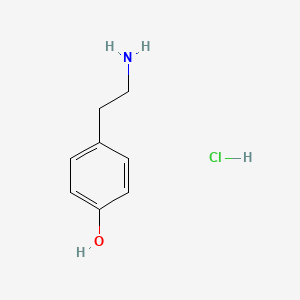
CAS · 60-19-5
Product Overview
Tyramine hydrochloride is a high-purity food-additives supplied for industrial and specialty chemical applications. Contact our team for specifications, packaging options and lead times.
Product Specifications
| Appearance | Off-white crystalline powder |
|---|---|
| Content | 99.0% to 100.5% |
| Melting Point | 274.0°C to 280.0°C |
| Loss on Drying | 0.25% max |
| Other Single Impurity | 0.5% max |
| Total Impurities | 1.0% max |
Applications
Pharmaceutical and Neuroscience Research
Tyramine hydrochloride is used in scientific research to study neurotransmitter activity, particularly its role in catecholamine release. It is involved in the study of conditions such as hypertension and neurological disorders.
Biochemical Studies
It serves as a model compound for studying the effects of monoamine oxidase (MAO) inhibitors, which are used in the treatment of depression and neurodegenerative diseases.
Food and Nutritional Science
Tyramine is naturally present in various fermented foods and is studied for its effects on blood pressure and metabolic processes. It is relevant in dietary research, particularly for individuals sensitive to tyramine-containing foods.
Medical Diagnostics
It has been used in diagnostic tests to evaluate the function of the sympathetic nervous system and the body's response to adrenergic stimulation.
Benefits
Role in Neurotransmitter Modulation
Tyramine hydrochloride丨60-19-5 the release of norepinephrine, playing a role in regulating blood pressure and cardiovascular responses.
Potential Applications in Drug Development
Its effects on neurotransmitters make it valuable in the development of drugs targeting conditions like depression, Parkinson's disease, and hypertension.
Understanding Dietary Impact on Blood Pressure
Tyramine-related studies help in understanding how certain foods affect individuals with conditions such as migraine or hypertension, leading to better dietary recommendations.
Conclusion
Tyramine hydrochloride丨60-19-5 is a significant compound in neuroscience, pharmacology, and nutritional research. Its role in neurotransmitter activity, cardiovascular function, and drug development makes it an important subject of study for various medical and biochemical applications.
Previous
Glycine Sodium Salt丨CAS 6000-44-8
Next