
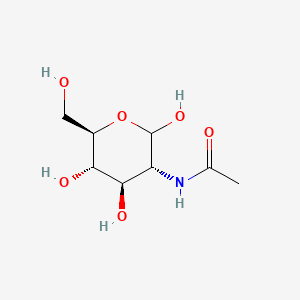
CAS · 7512-17-6
Product Overview
2-Acetamido-2-deoxy-D-glucose is a high-purity sugar-units supplied for industrial and specialty chemical applications. Contact our team for specifications, packaging options and lead times.
Product Specifications
| Grade: | USP 39 |
|---|---|
| Appearance: | White crystal powder |
| Identification: | Infrared Absorption Specific Rotation HPLC |
| Assay: | 98.0 to 102% |
| Residue on ignition: | 0.1% max |
| Chloride: | 0.1% max |
| Arsenic: | 1ppm max |
| Lead: | 10ppm max |
| Individual Impurity: | 0.5% max |
| Total Impurities: | 2.0% max |
| Limit of glucosamine: | 1% max |
| Specific rotation: | +39° - +43° |
| PH: | 6 - 8 |
| Loss on drying: | 0.5% max |
| MP: | 196 to 205°C |
| Total plate count: | Max 1000 cfu/g |
| Yeast & Mold: | Max 100 cfu/g |
| Salmonella: | Negative |
| E. Coli: | Negative |
| Staphylococcus Aureus: | Negative |
Applications
1. Biomedical and Pharmaceutical Industry
Structural Component of Glycoconjugates:
GlcNAc is a key building block of glycosaminoglycans (e.g., hyaluronic acid, keratan sulfate, chondroitin sulfate) and proteoglycans, which contribute to connective tissue structure, cell adhesion, and extracellular matrix stability.
Joint Health Supplements:
Often used as a dietary supplement to support cartilage health and treat osteoarthritis, due to its role in maintaining joint cartilage and reducing inflammation.
Wound Healing and Skin Care:
Involved in skin regeneration and repair processes. GlcNAc is incorporated into formulations that promote wound healing and improve skin hydration and elasticity.
Anti-inflammatory Agent:
Shows promise in reducing inflammatory responses and is researched for use in treating autoimmune diseases and inflammatory disorders.
2. Cosmetic Industry
Moisturizers and Anti-Aging Products:
Due to its hygroscopic nature and role in hyaluronic acid metabolism, GlcNAc is used in skincare to enhance moisture retention, improve skin texture, and reduce wrinkles.
Hair Care:
It is added to hair products for conditioning effects and to improve hair strength and texture.
3. Food Industry
Functional Ingredient:
GlcNAc is used as a functional food additive for its potential health benefits, particularly in joint and bone health supplements.
4. Biotechnology and Research
Glycoprotein and Glycolipid Research:
GlcNAc is used in studies of glycosylation processes, cell signaling, and molecular recognition.
Enzymatic Studies:
Serves as a substrate for enzymes like chitinases and glycosyltransferases, helping elucidate biochemical pathways involving carbohydrates.
Glycoengineering:
Utilized in modifying glycoproteins and engineering therapeutic proteins for improved efficacy and stability.
5. Agriculture
Plant Growth and Protection:
GlcNAc derivatives have roles in plant cell wall structure and may be used in formulations that enhance crop resistance to pathogens.
Benefits
✅ Supports Connective Tissue and Joint Health
As a precursor for glycosaminoglycans, GlcNAc contributes to cartilage repair and maintenance, alleviating symptoms of joint disorders.
✅ Enhances Skin Hydration and Repair
Promotes skin barrier function, elasticity, and healing, making it valuable in cosmetic and dermatological products.
✅ Natural and Biocompatible
Derived from natural sources, safe for human consumption and topical use.
✅ Important in Cellular Communication
Participates in cell signaling pathways, influencing growth, differentiation, and immune responses.
✅ Versatile in Research and Therapeutics
Enables advances in glycoscience, drug design, and biopharmaceutical development.
Conclusion
2-Acetamido-2-deoxy-D-glucose (N-Acetylglucosamine) is a biologically crucial amino sugar with diverse applications in pharmaceuticals, cosmetics, food supplements, and biotechnology. Its roles in structural biopolymers, cell signaling, and tissue repair underpin its benefits for joint health, skin care, and scientific research. As a safe and multifunctional molecule, it continues to gain importance in health-related industries and glycoscience.
Previous
Next