
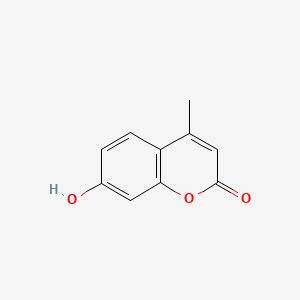
CAS · 90-33-5
Product Overview
Hymecromone is a high-purity a-api supplied for industrial and specialty chemical applications. Contact our team for specifications, packaging options and lead times.
Product Specifications
| Property | Specification |
|---|---|
| Grade | EP |
| Appearance | Almost white crystalline powder |
| Identification | The IR absorption spectrum of the sample corresponds to that of the reference standard |
| Absorbance | The specific absorbance at the maximum at 360 nm is 1020 to 1120 |
| Related substances | |
| Impurity A | 0.05% max |
| Impurity B | 0.05% max |
| Unspecified impurities | 0.10% max |
| Total impurities | 0.2% max (Disregard limit: 0.01%) |
| Loss on drying | 0.5% max |
| Sulfated ash | 0.1% max |
| Residual Solvent (Ethanol) | 5000 ppm max |
| Assay | 99.0% – 101.0% (dried substance) |
| Microorganism | |
| Total aerobic bacteria count | 1000 cfu/g max |
| Total molds and yeasts | 100 cfu/g max |
| E. coli | Absent per gram |
Applications
1. Liver and Biliary Disorders
Hymecromone is most commonly prescribed for conditions involving bile flow impairment and gallbladder dysfunction.
Choleretic action: It enhances bile secretion from the liver, aiding in the management of cholestatic liver diseases, biliary dyskinesia, and gallstones.
Post-operative bile support: Often used to restore normal bile flow following liver or biliary surgery.
Liver protection: May aid in reducing hepatocellular damage by improving bile circulation and reducing stagnation-related injury.
2. Antispasmodic Use
Hymecromone exerts a smooth muscle relaxant effect, particularly on the biliary tract and sphincter of Oddi. This helps relieve biliary colic and improve bile passage, especially in patients with functional biliary disorders.
3. Antifibrotic Potential
Recent research has highlighted hymecromone's potential in inhibiting hyaluronic acid synthesis, which is crucial in tissue fibrosis. It has shown promise in:
Liver fibrosis: By downregulating hyaluronan production, hymecromone may slow fibrosis progression in chronic liver disease.
Pancreatic fibrosis and pulmonary fibrosis: Preliminary studies suggest broader antifibrotic applications, though more clinical data is needed.
4. Oncology Research
Hymecromone丨CAS 90-33-5 has demonstrated anticancer properties in preclinical models, particularly through:
Inhibition of hyaluronan synthesis, which is involved in tumor growth, metastasis, and angiogenesis.
Suppression of cancer cell proliferation in pancreatic, breast, and liver cancer models. These effects are still under research but suggest hymecromone's role in cancer therapy adjuvants or as a chemopreventive agent.
5. Biochemical and Analytical Reagent
In scientific research and biochemical analysis, hymecromone is used as:
A fluorometric substrate for measuring enzymatic activity, especially β-glucuronidase and phosphatases.
A tool for studying glycosaminoglycan metabolism, particularly hyaluronic acid.
Benefits
1. Enhances Bile Flow Naturally
As a non-hormonal, non-steroidal choleretic, hymecromone helps restore and stimulate physiological bile production, making it an effective option for patients with biliary insufficiency or digestive complaints related to poor bile secretion.
2. Reduces Risk of Gallstone Formation
By promoting continuous bile flow and reducing bile viscosity, hymecromone can lower the risk of bile stagnation, thereby preventing the formation of cholesterol gallstones and sludge in the gallbladder.
3. Good Tolerability and Safety Profile
Hymecromone丨CAS 90-33-5 is generally well tolerated when used as directed. Side effects are rare and mild, typically limited to gastrointestinal discomfort in sensitive individuals. It is considered safe for long-term administration, particularly in chronic liver and biliary conditions.
4. Potential Systemic Benefits
While its primary application remains in hepatobiliary disorders, hymecromone's influence on inflammatory, fibrotic, and tumor-related pathways makes it a compound of growing interest in broader systemic health applications.
5. Versatile Research Tool
In biochemical and pharmaceutical research, hymecromone provides a reliable and cost-effective fluorometric probe, contributing to various enzymology and metabolic studies.
Conclusion
Hymecromone丨CAS 90-33-5 is a well-established therapeutic agent with primary use in biliary and liver disorders, where it acts to stimulate bile secretion and ease biliary spasms. Its expanding role in fibrosis inhibition, oncology research, and biochemical assays reflects its pharmacological versatility. With a strong safety record, potent biological effects, and increasing evidence for new clinical applications, hymecromone continues to be an important compound in both clinical therapy and scientific research.
Previous
Next
Conclusion
A concise summary and suitability assessment for this product is available on request. Contact our team to discuss whether it fits your process and quality requirements.