
CAS · 66-22-8
Product Overview
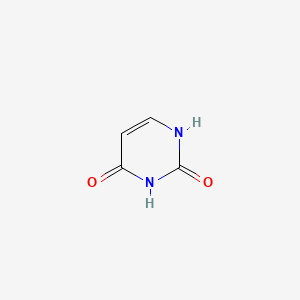
Uracil丨66-22-8 is a pyrimidine base found in nucleic acids. It is one of the four nucleobases in the nucleic acid of RNA, where it pairs with adenine during the formation of the RNA molecule. In terms of structure, uracil is a heterocyclic compound with a simple, planar ring structure that contains nitrogen atoms and a single carbonyl group. It is commonly found in genetic coding systems, particularly in RNA, where it plays a key role in cellular functions. Uracil is one of the pyrimidines that make up the genetic code and contributes to the biochemical pathways essential for life.
While it is a naturally occurring compound, uracil also has significant applications in the chemical, pharmaceutical, and biotechnology industries. It is involved in several biochemical and synthetic processes, and researchers use it extensively in various fields, including genetics, drug design, and biochemistry.
Product Specifications
| Property | Specification |
|---|---|
| Appearance | White crystalline powder |
| Purity (HPLC) | 99% min |
| Melting Point | 300°C min |
| Loss on drying | 0.5% max |
| Residue on ignition | 0.1% max |
| Heavy metals | 10 ppm max |
| Chloride | 100 ppm max |
| Sulphate | 0.04% max |
Applications
1. Nucleic Acid Synthesis
Uracil is an important building block for the synthesis of RNA. It is one of the primary nucleobases that form part of the RNA strand and pairs with adenine (A) in the DNA-RNA transcription process.
● Transcription Process: During the transcription process, RNA is synthesized from a DNA template, and uracil replaces thymine (which is present in DNA). The pairing between uracil and adenine ensures the proper formation of RNA, which is crucial for protein synthesis and other cellular functions.
2. Biochemical Research
Uracil and its derivatives are used extensively in biochemical research. Researchers utilize uracil in studies of DNA and RNA function, enzyme mechanisms, and the process of nucleic acid replication.
● Study of Enzymes: Uracil is involved in the study of enzymes such as uracil-DNA glycosylase that help maintain the integrity of the genome by repairing uracil-containing DNA. It is used to understand processes like mutagenesis, mutation repair, and gene expression.
3. Pharmaceutical Industry
In the pharmaceutical sector, Uracil丨66-22-8 has diverse applications as a precursor in the synthesis of drugs, particularly those that interact with nucleic acids.
● Antiviral Drugs: Uracil is used as a precursor in the synthesis of antiviral drugs. Drugs such as 5-fluorouracil (5-FU), a chemotherapy drug, are derived from uracil and have significant roles in cancer therapy.
● Cancer Treatment: 5-fluorouracil (5-FU) is one of the most well-known derivatives of uracil. This chemotherapy agent is used to treat a variety of cancers by inhibiting DNA replication in cancer cells, effectively reducing their ability to proliferate.
4. DNA and RNA Synthesis in Biotechnology
In biotechnology, uracil and its derivatives are employed in the synthesis of synthetic DNA and RNA molecules. Researchers use uracil-modified nucleotides in the process of gene synthesis and PCR (Polymerase Chain Reaction) to manipulate genetic material.
● PCR Amplification: During PCR amplification, where specific segments of DNA are replicated, modified nucleotides such as uracil are used to synthesize RNA templates or to detect DNA sequences through fluorescent labels.
● Gene Editing: In gene editing technologies, such as CRISPR, uracil derivatives play a role in the synthesis of guide RNA molecules, which direct the gene-editing machinery to specific locations within the genome.
5. Molecular Biology
Uracil plays a role in the mutation research and genetic modification fields. Mutations often involve changes to uracil-containing molecules, making it a key target in studies of mutagenesis and genomic stability.
● Uracil-Containing DNA: During the process of DNA replication, uracil can be incorporated into DNA, where it can cause mutations if not repaired by specific enzymes, such as uracil-DNA glycosylase. Understanding this process is essential for studying the mechanisms of mutations and genomic instability, which can lead to diseases such as cancer.
6. Chemical Synthesis and Derivatives
Uracil丨66-22-8 is used as a precursor in the synthesis of a variety of chemical compounds. Its derivatives, such as 5-fluorouracil and 5-bromouracil, are used as intercalating agents in genetic studies, as well as anticancer and antiviral drugs.
● Fluorine Substituted Derivatives: 5-fluorouracil (5-FU) is an example of a fluorinated derivative of uracil used in cancer treatments. The fluorine atom prevents thymidylate synthase from functioning properly, inhibiting the production of thymidine, a necessary component for DNA replication in rapidly dividing cells.
● Synthesis of RNA Analogues: Uracil is also involved in the creation of RNA analogs, which are used in molecular diagnostic methods and biomolecular research. These RNA analogs can help in understanding RNA folding, protein interactions, and the RNA interference mechanism.
7. Agricultural and Environmental Uses
Though less common, Uracil丨66-22-8 derivatives have potential applications in the agriculture and environmental industries.
● Biodegradable Polymers: Some uracil derivatives, particularly those modified with functional groups, can be used in the synthesis of biodegradable polymers. These polymers could have potential in the development of eco-friendly materials that degrade naturally in the environment.
Benefits
1. Biochemical Utility
Uracil is an essential component of RNA, and as such, it plays an integral role in protein synthesis, cellular processes, and genetic code transmission. Its involvement in the transcription process ensures that genetic information is correctly converted into functional RNA.
2. Pharmaceutical Applications
Uracil derivatives such as 5-fluorouracil are crucial in the fight against cancer. These compounds interfere with DNA synthesis in rapidly growing cancer cells, making them effective in chemotherapy. This therapeutic application has saved countless lives and remains a standard treatment for various cancers.
● Antiviral Properties: Some derivatives of uracil are utilized in the development of antiviral drugs, providing benefits in treating diseases such as hepatitis and herpes simplex virus.
3. Genomic Stability and Mutation Research
Uracil丨66-22-8 is key in understanding genomic stability. When incorporated into DNA, uracil can cause mutations unless repaired. This property makes uracil and its derivatives a valuable tool for studying mutation repair mechanisms and genetic disorders.
4. Synthesis of Nucleic Acids and Gene Editing
Uracil's role in the synthesis of RNA and its application in gene editing technologies such as CRISPR make it an essential tool in modern genetic engineering and biotechnology.
5. Agricultural and Environmental Benefits
The development of biodegradable materials using uracil derivatives could have significant environmental benefits. Additionally, certain uracil compounds are being explored for their ability to improve crop yields and plant resistance to stress.
Conclusion
Uracil丨66-22-8 is a crucial biochemical compound with applications spanning various scientific disciplines, including genetics, pharmaceuticals, and biotechnology. Its roles in RNA synthesis, gene modification, and drug development (particularly in cancer treatment) make it a vital substance in modern medicine and biochemistry. Its derivatives, particularly in the context of 5-fluorouracil, continue to provide benefits to millions of patients worldwide.
As a building block of RNA and an important component in genetic research, uracil's applications are wide-ranging and its scientific and therapeutic potential remains significant across many fields.
Previous
Triethyl Orthoformate丨CAS 122-51-0
Next