
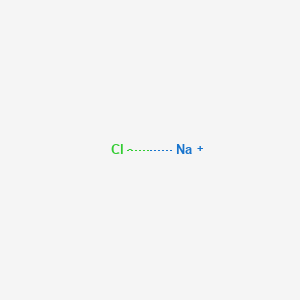
CAS · 7647-14-5
Product Overview
Sodium chloride丨CAS 7647-14-5 is one of the most well-known and widely used inorganic compounds in both daily life and industry. Naturally occurring as the mineral halite, it is essential for human health, industrial processes, and scientific research. It plays a critical role in physiology, food processing, chemical manufacturing, and laboratory work.
Product Specifications
| Grade | USP 40 Injection Grade |
|---|---|
| Appearance | White crystalline powder |
| Al | 0.2 ppm max |
| As | 1 ppm max |
| Iron | 2 ppm max |
| Br | 100 ppm max |
| Phosphates | 25 ppm max |
| Sulphates | 200 ppm max |
| Mg and Alkaline Earth Metals | 100 ppm max |
| Nitrites | The absorbance is not more than 0.01 |
| Bacterial Endotoxins | 5 EU/g max |
| Loss on Drying | 0.5% max |
| Assay | 99.0% - 100.5% |
Applications
1. Food Industry
Flavoring Agent: Universally used in food as a flavor enhancer.
Preservative: Used in curing meats, pickling, and other preservation methods due to its ability to inhibit microbial growth.
Nutritional Supplement: Supplies essential sodium ions for body functions.
2. Pharmaceutical and Medical Uses
Electrolyte Replacement: Used in intravenous (IV) saline solutions to rehydrate patients or maintain electrolyte balance.
Wound Care: Used in saline rinses and nasal sprays for cleansing.
Pharmaceutical Formulations: Acts as a tablet disintegrant, tonicity agent, and osmotic agent in drug formulations.
3. Chemical Industry
Raw Material: Key source of chlorine and sodium hydroxide via electrolysis (Chloralkali process).
Precursor: Used in the manufacture of sodium carbonate, hydrochloric acid, and other sodium-based compounds.
Catalyst Support: Occasionally used as a filler or support medium in catalysts.
4. Water Treatment
Water Softening: Regenerates ion-exchange resins in water softeners.
De-icing and Anti-icing: Applied to roads and walkways to melt ice and snow by lowering the freezing point of water.
5. Agriculture
Animal Nutrition: Added to livestock feed as a mineral supplement.
Fertilizer Component: Minor use in some soil amendments, especially where sodium is deficient.
6. Laboratory and Analytical Chemistry
Buffer Solutions: Used in phosphate-buffered saline (PBS) and Tris buffers to maintain ionic strength.
Reagent and Standard: Serves as a reference salt for calibrations and testing.
7. Industrial Applications
Textile Dyeing and Tanning: Facilitates dye fixation and leather curing.
Ceramics and Glass Manufacturing: Regulates melting behavior in glazes and glass formulations.
Oil and Gas: Employed in drilling fluids to control viscosity and maintain pressure.
Benefits
1. Biological Necessity
Vital for nerve function, muscle contraction, and fluid balance in humans and animals.
Maintains osmotic equilibrium and cellular homeostasis.
2. Wide Availability and Low Cost
Easily mined or produced by evaporation of seawater, making it abundant and inexpensive.
3. Versatility
Serves both functional (electrolyte, preservative, reagent) and structural (melting, support) roles in numerous processes.
4. Safety and Stability
Chemically stable under most storage conditions.
Generally recognized as safe (GRAS) when used appropriately.
Conclusion
A concise summary and suitability assessment for this product is available on request. Contact our team to discuss whether it fits your process and quality requirements.