CAS · 128-44-9
Product Overview
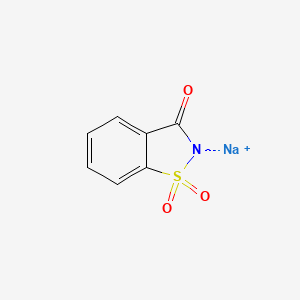
Saccharin sodium is a high-purity feed-additives supplied for industrial and specialty chemical applications. Contact our team for specifications, packaging options and lead times.
Product Specifications
| Grade: | BP2008 |
|---|---|
| Appearance: | White powder |
| Assay: | 99.0% ~ 101.0% |
| Identification: | Positive |
| Melting point (℃): | 226-230 |
| Loss on drying: | 6% max |
| Ammonium salts: | 25ppm max |
| Arsenic: | 2ppm max |
| Lead: | 1ppm max |
| Benzoate and salicylate: | No precipitate or violet color appears |
| Heavy Metals: | 10ppm max |
| Acidity or alkalinity: | 4.5–5.5ml |
| Readily carbonizable substances: | Not more intensely colored than reference |
| P-Toluene sulfonamides: | 10ppm max |
| O-Toluene sulfonamides: | 10ppm max |
| Selenium: | 30ppm max |
| Related substance: | Complies with BP2008 |
| Clarity and color solution: | Colorless and clear |
Applications
1. Food and Beverage Industry
● Non-Nutritive Sweetener:
Saccharin sodium丨CAS 128-44-9 is widely used as an artificial sweetener in various low-calorie, sugar-free, and diet products such as:
Soft drinks
Baked goods
Canned fruits
Confectioneries
Tabletop sweeteners
● Sugar Substitute for Diabetics:
It's a preferred sweetener for diabetic-friendly products, as it does not affect blood glucose levels and is non-caloric.
● Stability in Heat and Acidic Conditions:
Saccharin is heat stable, making it suitable for cooking and baking, and remains stable in acidic environments like carbonated beverages.
2. Pharmaceutical Industry
● Flavor Enhancer:
Used to mask the bitter taste of medications in:
Chewable tablets
Oral suspensions
Syrups
Lozenges
● Sugar-Free Formulations:
Ideal for diabetic medications and calorie-restricted formulations due to its zero-calorie profile and high sweetness potency.
3. Personal Care Products
● Oral Care Formulations:
Saccharin sodium is widely included in toothpaste, mouthwashes, and dental rinses as a sweetening agent to improve product palatability.
● Cosmetics and Skin Care:
Occasionally found in lip balms and other personal care products requiring mild sweetness without caloric content.
4. Animal Feed Additive
● Palatability Enhancer:
Saccharin sodium丨CAS 128-44-9 is added to animal feed and veterinary medications to improve taste, especially in weaning pigs, poultry, and pet foods.
5. Industrial Applications
● Electroplating Industry:
Used as a brightening agent in nickel electroplating baths to improve coating appearance and smoothness.
● Chemical Intermediate:
Employed in research and synthesis involving heterocyclic compounds, particularly in sulfonamide chemistry.
Benefits
1. High Sweetening Power
● 300–500x Sweeter than Sugar:
A very small amount can replace large quantities of sugar, making it highly cost-effective and beneficial for formulating low-calorie products.
2. Non-Caloric
● Zero Calories:
Saccharin sodium丨CAS 128-44-9 is not metabolized by the body, offering a sweet taste without contributing energy, beneficial for weight control and diabetes management.
3. Stable Under Processing Conditions
● Resistant to Heat and pH Changes:
Unlike some sweeteners that degrade under high heat or acidic pH, saccharin sodium maintains chemical stability, making it versatile across multiple food and pharmaceutical applications.
4. Long Shelf Life
● Highly Stable Compound:
With low moisture affinity and excellent shelf life, it ensures product consistency and storage stability.
5. Regulatory Approval and Global Use
● Approved by Global Agencies:
Saccharin sodium is approved by regulatory bodies such as:
FDA (U.S.)
EFSA (EU)
JECFA (WHO/FAO)
It is widely used across North America, Europe, and Asia under specified acceptable daily intake (ADI) limits.
Conclusion
Saccharin sodium丨CAS 128-44-9 is a widely utilized non-nutritive sweetener offering intense sweetness, zero caloric intake, and exceptional thermal and chemical stability. Its applications span food, pharmaceuticals, personal care, and industrial uses, making it a versatile and cost-effective ingredient. Its long safety record and regulatory acceptance around the world reinforce its importance as a key alternative to sugar, particularly in low-calorie, diabetic, and dietetic product formulations.
Previous
Saccharin Sodium Dihydrate丨CAS 6155-57-3
Next
Conclusion
A concise summary and suitability assessment for this product is available on request. Contact our team to discuss whether it fits your process and quality requirements.