CAS · 6151-25-3
Product Overview
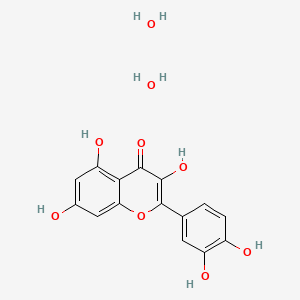
Quercetin dihydrate丨6151-25-3 is a naturally occurring flavonoid found in various fruits, vegetables, leaves, and grains. It's commonly known for its antioxidant, anti-inflammatory, and potential therapeutic effects. As a dihydrate, it is the form of quercetin that includes two molecules of water per molecule of quercetin, which can influence its solubility and stability.
Product Specifications
| Property | Value |
|---|---|
| Appearance | Yellow powder |
| Assay (on dry product) | 95.0% min (HPLC method), 98.0% min (UV method) |
| Identification | Must positive |
| Solubility | Practically insoluble in water, soluble in aqueous alkaline sol. |
| Loss on drying | 9.0%~12.0% |
| Residue on ignition | 0.5% max |
| Mesh size | 100% pass 80 mesh |
| Heavy metal | 10 ppm max |
| Cadmium | 1 ppm max |
| Lead | 3 ppm max |
| Mercury | 0.1 ppm max |
| Arsenic | 1 ppm max |
| Total plate count | 1000 CFU/G max |
| Yeast & mould | 100 CFU/G max |
| E.coli | Absent |
| Salmonella | Absent |
Applications
1.Pharmaceuticals and Dietary Supplements Quercetin dihydrate丨6151-25-3 is frequently used in dietary supplements for its potential health benefits. It is commonly marketed for its antioxidant and anti-inflammatory properties, which may help reduce oxidative stress and inflammation in the body. Many people take it to support immune function, improve heart health, and manage conditions like allergies or asthma.
2.Antioxidant Additive in Food and Beverages Quercetin is used in the food industry as a natural antioxidant to help extend the shelf life of products by preventing oxidative damage. It can also be added to beverages like fruit juices, soft drinks, and functional teas to provide additional health benefits, particularly related to antioxidant protection. Quercetin may help reduce the oxidative damage that can lead to spoilage or degradation in food.
3.Cosmetic and Skincare Products Due to its anti-inflammatory and antioxidant properties, quercetin dihydrate is included in certain skincare products. It is used to help soothe skin irritation, reduce the appearance of aging signs, and protect the skin from oxidative stress caused by environmental factors like UV radiation and pollution. Quercetin's ability to inhibit inflammatory pathways makes it an appealing ingredient for sensitive skin products and those designed to calm conditions like acne or eczema.
4.Research in Cancer Treatment Quercetin dihydrate丨6151-25-3 has shown promise in scientific research as a potential cancer-fighting agent. Studies have suggested that it may help inhibit the growth and spread of cancer cells by modulating various molecular pathways involved in cell cycle regulation, apoptosis (programmed cell death), and metastasis. While clinical trials are still needed, quercetin's ability to target multiple cancer cell types has made it a subject of interest in cancer research.
5.Anti-Allergy and Antihistamine One of the most common uses of quercetin is as a natural antihistamine. It is believed to reduce histamine release from mast cells, which is particularly beneficial for individuals suffering from seasonal allergies or allergic rhinitis. Quercetin's ability to stabilize mast cells and inhibit inflammatory mediators can help alleviate symptoms like sneezing, runny nose, and itching associated with allergies.
6.Exercise Performance and Recovery Some research suggests that quercetin may enhance athletic performance and support recovery. It is thought to improve endurance by increasing mitochondrial efficiency and reducing oxidative stress during exercise. This can result in less muscle damage and quicker recovery times for athletes or individuals engaging in intense physical activity. Some studies have also suggested that quercetin may help reduce exercise-induced inflammation and muscle soreness.
7.Heart Health and Cardiovascular Protection Quercetin dihydrate has been studied for its potential to support cardiovascular health. Its antioxidant and anti-inflammatory properties help protect against oxidative damage to blood vessels, reduce the risk of plaque buildup in the arteries, and support healthy blood pressure levels. There is evidence suggesting that quercetin may contribute to better endothelial function, which is vital for maintaining healthy blood circulation and preventing cardiovascular diseases.
8.Neuroprotective Effects Quercetin dihydrate丨6151-25-3 has shown neuroprotective potential, particularly in animal studies, by reducing oxidative stress and inflammation in the brain. Its ability to modulate cellular pathways involved in neurodegeneration may make it a promising candidate for the prevention or treatment of neurodegenerative conditions like Alzheimer's disease and Parkinson's disease. Quercetin's anti-inflammatory effects may help preserve cognitive function by preventing inflammation-induced damage in the brain.
Benefits
1.Antioxidant Effects Quercetin dihydrate丨6151-25-3 is a potent antioxidant, which means it helps neutralize harmful free radicals in the body. Free radicals can cause cellular damage and contribute to chronic conditions like cardiovascular diseases, cancer, and diabetes. By neutralizing these free radicals, quercetin helps protect cells from oxidative stress and reduces the risk of chronic disease.
2.Anti-Inflammatory Properties Chronic inflammation is a contributing factor in many diseases, including heart disease, diabetes, and autoimmune conditions. Quercetin has been shown to modulate inflammatory pathways, including inhibiting the release of pro-inflammatory cytokines. This can help reduce systemic inflammation and may provide relief in conditions like arthritis, inflammatory bowel disease (IBD), and asthma.
3.Blood Sugar Regulation There is some evidence suggesting that quercetin may help regulate blood sugar levels and improve insulin sensitivity. This could be beneficial for people with type 2 diabetes or those at risk of developing the condition. By improving insulin response and reducing oxidative stress, quercetin may help stabilize blood glucose levels.
4.Weight Management Some studies indicate that Quercetin dihydrate丨6151-25-3 may support weight loss or prevent weight gain by modulating metabolic processes. It has been shown to reduce fat cell accumulation and improve fat metabolism in animal studies. While human studies are still limited, quercetin's anti-inflammatory and antioxidant effects may play a role in reducing obesity-related inflammation and improving metabolic health.
5.Immune System Support Quercetin dihydrate丨6151-25-3 supports immune function by modulating immune cell activity and reducing inflammation. Its ability to stabilize mast cells and reduce histamine release makes it particularly useful for those dealing with allergies, but it may also help prevent infections by supporting overall immune response.
6.Anti-Viral Activity Quercetin has shown antiviral properties in laboratory studies. It is believed to inhibit the replication of certain viruses, including the common cold virus and even some strains of influenza. Though more research is needed to determine its clinical effectiveness, quercetin's antiviral potential could make it a useful supplement in managing viral infections.
Conclusion
A concise summary and suitability assessment for this product is available on request. Contact our team to discuss whether it fits your process and quality requirements.