
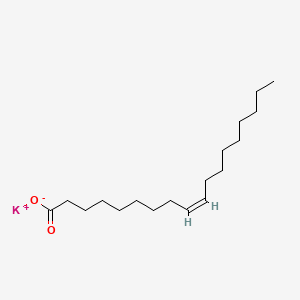
CAS · 143-18-0
Product Overview
Potassium oleate丨143-18-0 is the potassium salt of oleic acid, a monounsaturated fatty acid commonly found in vegetable oils like olive oil. It is primarily used in industrial applications such as surfactants, emulsifiers, detergents, and cosmetic formulations. Due to its amphiphilic nature (having both hydrophobic and hydrophilic parts), potassium oleate plays a crucial role in stabilizing mixtures of oil and water, and in breaking down greasy substances.
Product Specifications
| Property | Value |
|---|---|
| Appearance | White to light yellow solid powder |
| Available content | 98% min |
| Water solubility | 5% min |
| Alcohol solubility | 5% min |
Applications
1.Surfactant and Emulsifier:
Potassium oleate is used in cosmetic and personal care products as an emulsifier, stabilizing the mixture of oil and water. It helps improve the texture and consistency of creams, lotions, and other emulsified products.
In detergents, it is used as a soap to break down oils and grease. Its wetting and dispersing properties help detergents function effectively, especially in hard water.
It is also used in industrial applications to stabilize water-in-oil emulsions, often used in processes like lubrication and coatings.
2.In Soap Production:
Potassium oleate is an essential ingredient in the manufacture of soft soaps. It is used in combination with potassium hydroxide to produce liquid soaps, as it creates a potassium soap when reacted with alkalis.
These liquid soaps are commonly used in dishwashing liquids and shampoos, due to their ability to effectively clean and emulsify oils and dirt.
3.Food Industry:
In the food industry, Potassium oleate丨143-18-0 is used as an emulsifier and stabilizer in certain food products like margarine and ice cream to improve texture and prevent the separation of oils and water. It is also used in some confectionery products.
Potassium oleate helps improve the mouthfeel and viscosity of food products, ensuring smooth textures and consistent quality.
4.Lubricants and Metalworking:
In the metalworking industry, potassium oleate is used as a lubricant and anti-corrosive agent in processes like cutting, grinding, and forming. It helps reduce friction and provides slipperiness during the machining of metals.
It is also used in the formulation of metalworking fluids to prevent rust and corrosion on metal surfaces.
5.Agricultural Uses:
Potassium oleate丨143-18-0 is used as a spreader and wetting agent in agricultural formulations. It improves the distribution of active ingredients in pesticides and herbicides by ensuring better adhesion to plant surfaces and improving absorption.
It is also used in organic farming as a non-toxic alternative to synthetic surfactants, helping to enhance the performance of natural pesticide formulations.
6.Cleaning and Degreasing:
Potassium oleate's ability to break down fats and oils makes it an effective ingredient in industrial degreasers. It is commonly used in cleaning formulations designed for machinery, engines, and factory equipment.
It is also used in cleaning agents for oil spills due to its emulsifying action, which can break up and disperse the oil, making it easier to clean.
Benefits
The key benefits and differentiators of this product are available on request. Contact us for performance data, comparative specifications and selection guidance.
Conclusion
Potassium oleate丨143-18-0 is a versatile compound widely used in various industrial, cosmetic, and agricultural applications due to its effective emulsifying, surfactant, and detergent properties. It plays a vital role in soap production, cleaning agents, lubricants, and food products. Its mild toxicity and biodegradability make it relatively safe for handling, though precautions should still be taken to avoid prolonged exposure. As a natural surfactant, it is favored in both organic and conventional industries for its effectiveness in dispersing oils and grease and improving the quality of emulsified mixtures. However, proper storage, handling, and disposal are essential to minimize any environmental risks.
Previous
Next