
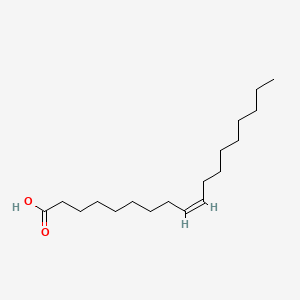
CAS · 112-80-1
Product Overview
Oleic acid丨CAS 112-80-1 is a monounsaturated omega-9 fatty acid with the chemical formula C₁₈H₃₄O₂. It naturally occurs in animal and vegetable fats, particularly in olive oil, where it is a major component (up to 80%). Oleic acid appears as a pale yellow or colorless oily liquid at room temperature. Due to its non-toxicity, biodegradability, and chemical versatility, oleic acid is extensively used in industries ranging from food and cosmetics to pharmaceuticals, lubricants, and surfactants.
Product Specifications
| Property | Specification |
|---|---|
| Appearance | Colorless transparent liquid, slightly smelly |
| Oleic acid | 99% min |
| Palmitic acid | 0.5% max |
| Stearic acid | 0.5% max |
| Linoleic acid | 0.5% max |
| Linolenic acid | 0.5% max |
| Moisture | 0.2% max |
| Acid value (mgKOH/g) | 190~203 |
| Saponification value (mgKOH/g) | 195-205 |
| Iodine value (gI2/100g) | 86-93 |
| Peroxide value | 5.0 max |
| Identification | Chromatographic peaks consistent with the retention time of the reference peaks should be presented |
Applications
1. Food Industry
Oleic acid is used directly and indirectly in food production, primarily derived from edible oils like olive, canola, and sunflower oils.
● Nutritional Supplement: As a source of healthy fats, it is used in dietary supplements to support heart health and reduce inflammation.
● Food Additive (E570): Acts as an emulsifier and anti-foaming agent in processed foods.
● Cooking Oil: High-oleic oils are prized for their stability and health benefits.
2. Cosmetics and Personal Care
Oleic acid is a widely used emollient and formulation aid in cosmetics and skincare products.
● Emollient: Softens and moisturizes skin by replenishing the lipid barrier.
● Penetration Enhancer: Improves the delivery of active ingredients in transdermal and topical formulations.
● Makeup and Haircare: Used in soaps, creams, lotions, and conditioners to enhance texture and performance.
3. Pharmaceuticals
Oleic acid plays a key role in drug formulation and delivery systems.
● Excipient in Soft Gel Capsules: Used as a solvent or carrier for lipid-soluble drugs.
● Transdermal Delivery Agent: Enhances the penetration of drugs through the skin.
● Anti-inflammatory Properties: Found in formulations targeting inflammation and cardiovascular health.
4. Soaps and Detergents
Oleic acid is a common fatty acid used in soap-making and detergent formulations.
● Soap Production: Reacts with alkalis to form sodium oleate or potassium oleate, which have excellent cleansing and foaming properties.
● Liquid Soaps and Shampoos: Provides mildness and smooth lather in personal wash products.
5. Lubricants and Industrial Fluids
Oleic acid is used in the manufacture of biodegradable lubricants and greases.
● Metalworking Fluids: Acts as a corrosion inhibitor and friction reducer.
● Plasticizers and Lubricants: Provides flexibility and slip in plastics and rubber.
● Hydraulic Fluids: Used in synthetic esters for environmentally friendly systems.
6. Textiles and Leather Industry
Oleic acid丨CAS 112-80-1 is utilized in the processing of fibers and hides.
● Lubricant for Wool and Yarn: Improves texture and reduces friction during spinning.
● Leather Softening Agent: Used in fatliquoring processes to make leather soft and pliable.
7. Paints and Coatings
Oleic acid is used as a dispersing agent and flow modifier.
● Alkyd Resins: A key component in the synthesis of drying oils for paints and varnishes.
● Pigment Dispersant: Enhances uniform distribution of pigments in coatings.
8. Agriculture
Oleic acid is used in agrochemical formulations and plant protection products.
● Adjuvant in Pesticides: Enhances penetration and spreadability of crop protection sprays.
● Nutritional Supplement in Animal Feed: Improves energy density and palatability.
Benefits
1. Health and Nutritional Benefits
Oleic acid丨CAS 112-80-1 is known for its beneficial effects on human health, particularly cardiovascular health. It can help reduce LDL ("bad") cholesterol while increasing HDL ("good") cholesterol.
2. Skin Compatibility
Its close resemblance to the skin's natural sebum makes oleic acid an ideal ingredient for moisturizing and soothing dry or irritated skin.
3. Biodegradability and Sustainability
Being derived from renewable plant and animal sources, oleic acid is biodegradable and environmentally friendly, contributing to the development of green chemicals.
4. Chemical Versatility
Oleic acid can be easily modified through chemical reactions (e.g., esterification, amidation) to produce a range of surfactants, esters, and lubricants.
5. Excellent Solvent Properties
Its ability to solubilize hydrophobic substances makes oleic acid a useful carrier in pharmaceuticals, cosmetics, and agrochemicals.
6. Thermal and Oxidative Stability
High-oleic formulations have better stability against oxidation and heat, making them suitable for high-temperature industrial and culinary applications.
7. Economic and Abundant
It is widely available from inexpensive sources such as vegetable oils, making it a cost-effective ingredient for large-scale manufacturing.
Conclusion
Oleic acid丨CAS 112-80-1 is a naturally derived, multifunctional fatty acid used extensively in food, cosmetic, pharmaceutical, and industrial applications. Its excellent emollient, solvent, and stabilizing properties, combined with its health benefits and sustainability profile, make it a critical component in a variety of modern products. With ongoing trends toward eco-friendly and health-conscious formulations, the demand for oleic acid is expected to remain strong across sectors.
Previous
Next