CAS · 56-89-3
Product Overview
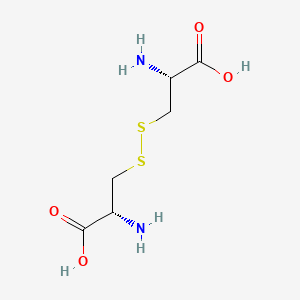
L-Cystine丨56-89-3 is a naturally occurring amino acid compound that plays a critical role in various biochemical and physiological processes in the human body. It is a dimer of the amino acid cysteine, formed by the oxidation of two cysteine molecules that are linked by a disulfide bond. This disulfide bond is important for the stability and functionality of proteins, as it helps maintain the protein's three-dimensional structure.
L-Cystine is essential in various biological functions, including antioxidant defense, protein synthesis, and detoxification. It is considered non-essential because it can be synthesized from L-cysteine, which is an amino acid present in many dietary sources. However, under certain conditions such as stress, illness, or injury, L-cystine levels can become limited, making supplementation beneficial.
Product Specifications
| Property | Specification |
|---|---|
| Grade | USP42 |
| Appearance | White crystals or crystalline powder |
| Assay (on dried basis) | 98.5% - 101.5% |
| Identification | A. IR: Corresponds to standard atlas B. Optical rotation: -215° ~ -225° C. TLC: Rf value corresponds to the standard solution |
| Residue on ignition | 0.1% max |
| Chlorides | 200 ppm max |
| Sulfate | 200 ppm max |
| Iron | 10 ppm max |
| Organic Impurities | Individual impurity: 0.2% max Total impurities: 2.0% max |
| Loss on drying | 0.2% max |
Applications
1. Antioxidant Activity
L-Cystine plays an important role in antioxidant defense in the body, particularly in the formation of glutathione, one of the most powerful antioxidants produced by the body. Glutathione is made up of three amino acids: glutamate, cysteine, and glycine. Cystine is a precursor for cysteine, which is required for glutathione synthesis. Glutathione neutralizes harmful free radicals, thereby protecting cells and tissues from oxidative stress.
● Free Radical Scavenging: The antioxidant properties of L-cystine help mitigate oxidative damage caused by environmental stressors, including pollutants, radiation, and toxins, thereby reducing the risk of chronic diseases such as cardiovascular disease and cancer.
● Cellular Detoxification: As a critical component of glutathione, L-cystine helps support the body's detoxification systems by neutralizing harmful compounds and facilitating their removal from the body.
2. Hair Health and Growth
L-Cystine丨56-89-3 is a key component of keratin, the protein that forms the structure of hair, skin, and nails. Supplementing with L-cystine can improve hair health by strengthening the hair shaft and promoting growth.
● Hair Strengthening: The disulfide bonds formed between cysteine molecules contribute to the stability and structure of keratin, leading to stronger and healthier hair.
● Hair Growth: Studies have suggested that L-cystine supplementation may help promote hair growth in individuals suffering from conditions such as alopecia and thinning hair.
● Scalp Health: L-cystine's role in antioxidant defense helps protect the scalp from damage caused by oxidative stress, which can lead to hair loss.
3. Skin Health
L-Cystine, through its role in collagen production, is essential for maintaining healthy, youthful skin. Collagen is a major structural protein in the skin, and its synthesis is enhanced by cysteine-containing compounds like L-cystine.
● Anti-Aging Effects: The antioxidant properties of L-cystine help protect the skin from oxidative damage, which is a significant factor in the aging process. By promoting the production of collagen, L-cystine supports the skin's firmness and elasticity.
● Wound Healing: L-cystine plays a role in wound healing by supporting the regeneration of collagen, helping to repair damaged skin more effectively.
● Acne Treatment: L-cystine's antioxidant activity may help in managing acne by reducing inflammation and oxidative stress, contributing to healthier skin overall.
4. Support for Immune Function
L-Cystine helps strengthen the immune system by supporting the production of glutathione, which is involved in the proper functioning of immune cells, including T-cells and macrophages. A strong immune system is essential for defending the body against infections and illnesses.
● Immune Modulation: By boosting glutathione levels, L-cystine can help improve the immune response and increase the body's ability to fight off infections.
● Reduction of Inflammation: L-cystine's role in glutathione synthesis can help reduce the inflammation associated with autoimmune diseases and other inflammatory conditions.
5. Liver Health and Detoxification
L-Cystine丨56-89-3 supports liver function by contributing to the synthesis of glutathione, which is essential for the liver's detoxification processes. The liver relies on glutathione to neutralize harmful substances and process metabolic waste.
● Liver Detoxification: L-cystine supplementation may support the detoxification process by increasing the body's glutathione levels, helping to neutralize and remove toxins from the liver.
● Liver Protection: By preventing oxidative damage to liver cells, L-cystine helps reduce the risk of liver diseases such as cirrhosis and non-alcoholic fatty liver disease (NAFLD).
6. Muscle Recovery and Performance
L-Cystine has potential benefits for athletes and individuals involved in strenuous physical activity. It is involved in the synthesis of proteins that aid in muscle recovery and growth, such as glutathione and collagen.
● Muscle Repair: L-cystine supports the repair of muscle tissues following exercise by helping to maintain healthy levels of glutathione, which is involved in muscle recovery and reduces muscle fatigue.
● Exercise-Induced Oxidative Stress: During intense physical activity, oxidative stress can damage muscle tissue. L-cystine's antioxidant activity helps minimize this damage and supports faster recovery.
7. Potential Role in Cardiovascular Health
The antioxidant properties of L-Cystine丨56-89-3 also extend to the cardiovascular system, where it helps protect the blood vessels and heart from oxidative damage. This, in turn, reduces the risk of developing heart disease and hypertension.
● Blood Vessel Protection: By reducing oxidative stress, L-cystine helps protect the endothelial cells that line blood vessels, promoting overall vascular health.
● Cholesterol Management: There is evidence suggesting that L-cystine may help regulate cholesterol levels, reducing the risk of atherosclerosis and heart-related conditions.
Benefits
1.Antioxidant Support: L-Cystine丨56-89-3 is essential in the synthesis of glutathione, which helps neutralize harmful free radicals and supports overall cellular health.
2.Improved Hair and Skin Health: L-cystine strengthens hair, improves growth, and enhances skin elasticity, making it beneficial for hair care and anti-aging.
3.Immune System Boost: L-cystine supports immune function by contributing to the synthesis of glutathione, which enhances the activity of immune cells.
4.Liver Protection: Through its antioxidant properties, L-cystine supports detoxification processes in the liver, helping to prevent damage from toxins.
5.Muscle Recovery: L-cystine aids in muscle repair and recovery, reducing oxidative damage from intense exercise and improving performance.
6.Cardiovascular Health: By reducing oxidative stress, L-cystine helps protect the heart and blood vessels from damage, potentially lowering the risk of cardiovascular diseases.
Conclusion
L-Cystine丨56-89-3 is an important amino acid with multiple applications and benefits in maintaining overall health. Its role in antioxidant defense, protein synthesis, and detoxification makes it crucial for the proper functioning of various systems in the body. Whether used for supporting hair growth, skin health, immune function, or muscle recovery, L-cystine is a versatile compound with significant potential for improving overall well-being.
Previous
N-Methyl-L-prolinol丨CAS 34381-71-0
Next