
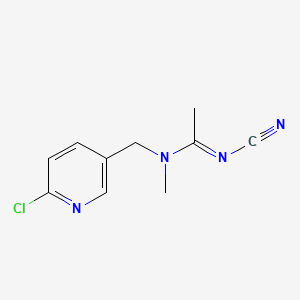
CAS · 135410-20-7
Product Overview
Acetamiprid is a high-purity insecticides supplied for industrial and specialty chemical applications. Contact our team for specifications, packaging options and lead times.
Product Specifications
| Appearance: | Off white powder |
|---|---|
| Assay: | 97% min |
| Water: | 0.5% max |
| pH: | 4.5-7.5 |
| Acetone Insoluble Content: | 0.2% max |
Applications
1. Agricultural Use
Insect Pest Control: Primarily applied to fruits, vegetables, cereals, and ornamental plants to manage sap-feeding pests.
Seed Treatment and Foliar Spray: Used as both a seed treatment agent and foliar spray, ensuring systemic protection from early growth stages.
Integrated Pest Management (IPM): Fits well in IPM programs due to its targeted action and compatibility with beneficial insects when used properly.
2. Horticulture and Greenhouse Crops
Effective in protecting high-value crops such as tomatoes, cucumbers, strawberries, and ornamental flowers grown under controlled conditions.
3. Public Health
Occasionally employed in vector control programs to target pest insects while minimizing environmental impact.
Benefits
High Selectivity: Targets insect nicotinic acetylcholine receptors, showing high toxicity to insects but lower mammalian toxicity.
Systemic Action: Absorbed and translocated within plants, providing long-lasting protection.
Low Environmental Persistence: Moderate degradation in soil and water reduces long-term environmental risks.
Compatibility: Can be combined with other pest control agents for broad-spectrum pest management.
Reduced Resistance Risks: When used responsibly in rotation with other insecticides, it helps manage pest resistance.
Conclusion
Acetamiprid (CAS 135410-20-7) is a modern, efficient neonicotinoid insecticide widely adopted in agriculture and horticulture for its systemic activity and selectivity. Its ability to protect crops against key sucking pests while maintaining a safer profile for mammals and beneficial insects makes it a valuable tool in sustainable pest management strategies. Continued responsible use and adherence to regulatory guidelines are essential to maximize its benefits and minimize environmental impact.
Previous
Next