

Glyphosate
CAS 1071-83-6
Glyphosate丨CAS 1071-83-6 is a broad-spectrum, non-selective, systemic herbicide widely used in agriculture, forestry, and industrial weed management. Introduced in the 1970s by…
View details ›Selective and non-selective herbicides for broad-spectrum weed control in row crops, orchards, rice paddies and non-crop areas.
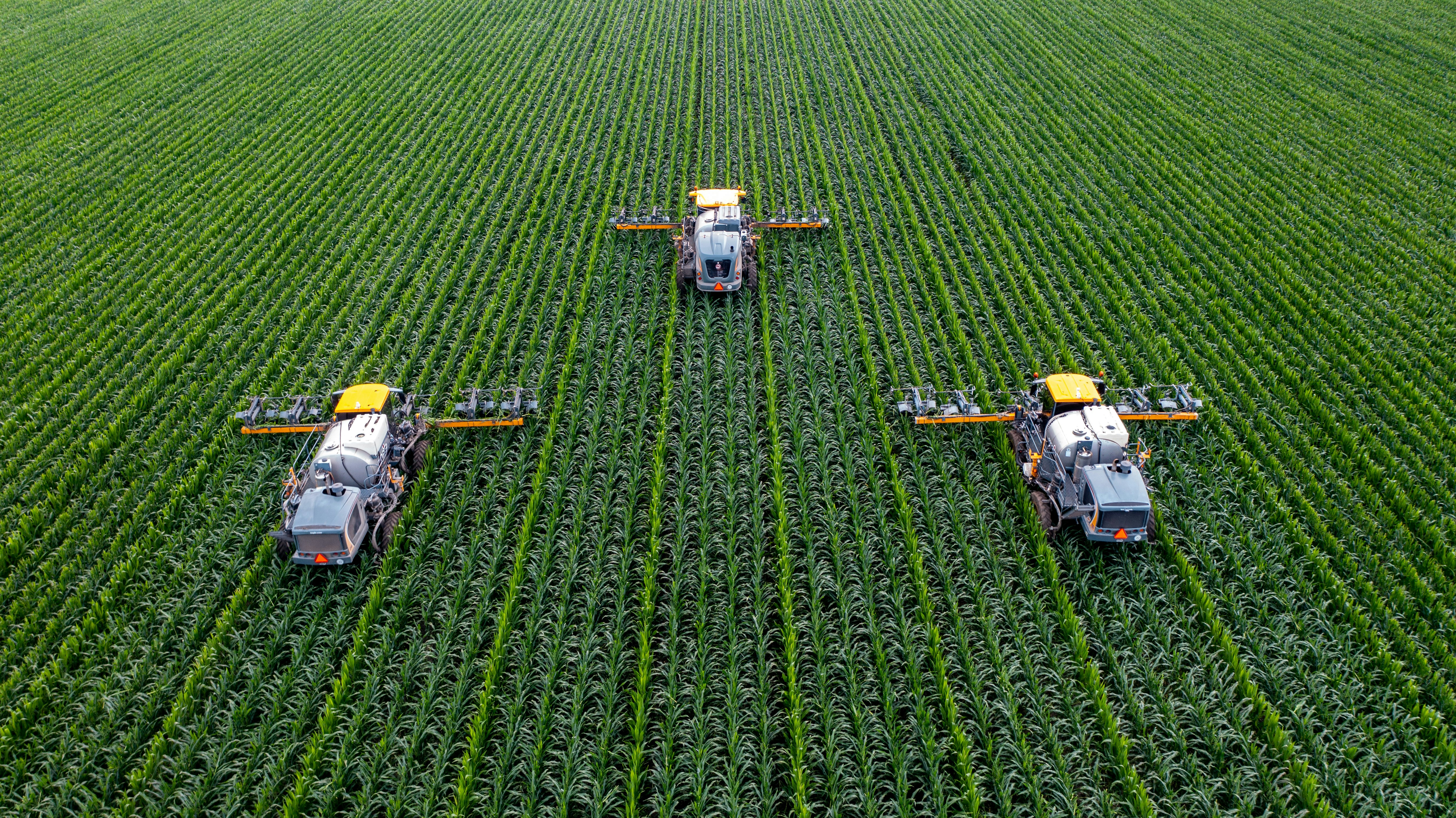
Our herbicides are used across a wide range of industries and applications. Below are the most common use cases where our products deliver consistent, documented performance.
Browse our herbicides portfolio organized by product family. Each category includes detailed specifications, safety data and downloadable documentation.
Browse our glyphosate isopropylamine salt product range with full specifications and documentation.
View products →Browse our glufsinate-ammonium product range with full specifications and documentation.
View products →Browse our atrazine & triazines product range with full specifications and documentation.
View products →Browse our 2,4-d & mcpa product range with full specifications and documentation.
View products →Browse our dicamba & synthetic auxins product range with full specifications and documentation.
View products →Browse our ppo inhibitors (saflufenacil) product range with full specifications and documentation.
View products →Our most popular herbicides — selected for high demand, reliable supply chain and comprehensive documentation.
CAS 1071-83-6
Glyphosate丨CAS 1071-83-6 is a broad-spectrum, non-selective, systemic herbicide widely used in agriculture, forestry, and industrial weed management. Introduced in the 1970s by…
View details ›
CAS 1912-24-9
Atrazine remains one of the most effective and widely used herbicides in agriculture, forestry, and weed management. Its benefits include cost-effective, long-lasting…
View details ›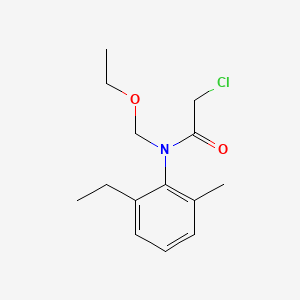
CAS 34256-82-1
Acetochlor丨CAS 34256-82-1 is a selective, pre-emergent herbicide widely used to control annual grasses and broadleaf weeds in row crops such as corn,…
View details ›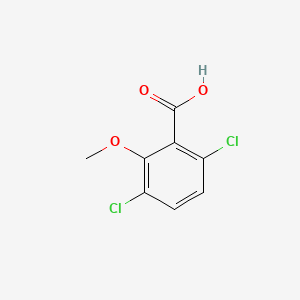
CAS 1918-00-9
Dicamba丨CAS 1918-00-9, is a systemic, post-emergent herbicide belonging to the benzoic acid class. It mimics the plant hormone auxin, causing uncontrolled cell…
View details ›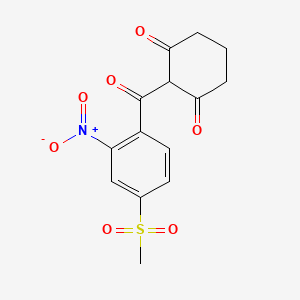
CAS 104206-82-8
Mesotrione is a highly effective and selective herbicide with wide applications in maize and other tolerant crops. Its benefits, including broad-spectrum weed…
View details ›Every batch of Herbicides we supply undergoes rigorous quality control and comes with complete safety documentation. We are committed to protecting the people who handle our products and the environments in which they are used.

Safety data sheets, handling guidelines and emergency response information are available for every product.
Access technical datasheets, safety documentation and regulatory filings for our herbicides range.
Detailed specifications, physical properties and application guidelines.
SDS in multiple languages with handling, storage and emergency information.
Lot-specific COA with purity, impurities and test methods.
REACH registration, TSCA status and regional compliance dossiers.
Actives across major HRAC groups including ALS inhibitors, ACCase inhibitors, photosystem II and EPSPS inhibitors such as glyphosate.
Selectivity comes from differential uptake, metabolism and site of action between crop and weed, so correct dose and timing preserve crop safety.
SL, EC, SC and WDG formats, each with specific mixing and application requirements described in the TDS.
Typically 1-6 hours depending on active and formulation; the exact rainfast period is stated in the technical data sheet.
Many combinations are standard practice, but compatibility testing is advised; we provide guidance on common premix and tank-mix partners.
Rotate HRAC groups, use residual and foliar partners, apply at label rates and combine with mechanical and agronomic measures.
Some residual actives restrict the next season crop; rotation intervals are stated on the label and TDS per crop.
Technical material in 25 kg drums; formulated goods in 1-20 L containers and 200 kg drums with DG compliance where needed.
Yes, including five-batch analysis, physicochemical data and reference specifications.
Locked stores, cool and dry, away from seeds, feed and water sources, in original containers.
Tell us about your herbicides requirements and our specialists will respond with options, documents and a quotation.