
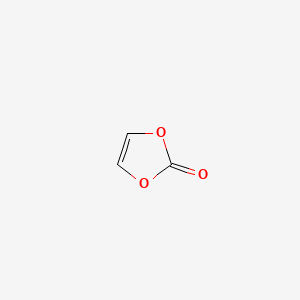
Vinylene carbonate
CAS 872-36-6
Vinylene carbonate丨CAS 872-36-6is a critical additive in modern battery technology, especially for lithium-ion batteries, where it significantly enhances performance, stability, and longevity.…
View details ›Critical materials for lithium-ion and next-generation battery systems — supporting the global transition to clean energy storage.
Our battery materials are used across a wide range of industries and applications. Below are the most common use cases where our products deliver consistent, documented performance.
Browse our battery materials portfolio organized by product family. Each category includes detailed specifications, safety data and downloadable documentation.
Browse our electrolyte salts (lipf6 etc.) product range with full specifications and documentation.
View products →Browse our solvents (carbonate esters) product range with full specifications and documentation.
View products →Browse our additives (vc, fec, ps) product range with full specifications and documentation.
View products →Browse our cathode precursors product range with full specifications and documentation.
View products →Browse our anode materials product range with full specifications and documentation.
View products →Browse our solid electrolytes product range with full specifications and documentation.
View products →Our most popular battery materials — selected for high demand, reliable supply chain and comprehensive documentation.
CAS 872-36-6
Vinylene carbonate丨CAS 872-36-6is a critical additive in modern battery technology, especially for lithium-ion batteries, where it significantly enhances performance, stability, and longevity.…
View details ›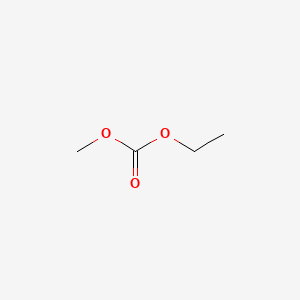
CAS 623-53-0
In summary, ethyl methyl carbonate is a versatile compound with applications in battery electrolytes, organic synthesis, and industrial solvent formulations. Its benefits-including…
View details ›
CAS 17084-13-8
Potassium hexafluorophosphate丨CAS 17084-13-8 is an inorganic salt comprising a potassium cation (K⁺) and a hexafluorophosphate anion (PF₆⁻). It is a stable, non-coordinating…
View details ›Every batch of Battery Materials we supply undergoes rigorous quality control and comes with complete safety documentation. We are committed to protecting the people who handle our products and the environments in which they are used.

Safety data sheets, handling guidelines and emergency response information are available for every product.
Access technical datasheets, safety documentation and regulatory filings for our battery materials range.
Detailed specifications, physical properties and application guidelines.
SDS in multiple languages with handling, storage and emergency information.
Lot-specific COA with purity, impurities and test methods.
REACH registration, TSCA status and regional compliance dossiers.
Cathode and anode active materials and precursors, electrolyte salts such as LiPF6, and performance additives for lithium-ion cell manufacturing.
Battery grades are dried and packed to moisture limits typically below 50-200 ppm, verified by Karl Fischer titration on each batch.
Magnetic foreign matter is controlled to the ppb range critical for cathode materials, with attrition-milled and magnetically filtered handling.
Yes, D50 and full particle size distribution are specified and measured by laser diffraction, with tap and true density data available.
For cathode and electrolyte materials we can provide half-cell cycling and rate data from our partner labs to support incoming qualification.
Aluminum-composite bags or steel drums under argon for moisture-sensitive powders; sealed and palletized for export.
Class 9 dangerous goods packaging with UN-certified boxes and full DG documentation where applicable.
Kilogram samples for cell R&D; commercial quantities from 100 kg with framework agreements for production volumes.
In-stock materials 1-2 weeks; battery-grade campaigns 4-8 weeks depending on specification and volume.
Yes, surface coating and elemental doping to customer specification is available through our partner plants.
Tell us about your battery materials requirements and our specialists will respond with options, documents and a quotation.