
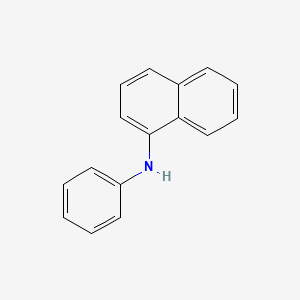
CAS · 90-30-2
Product Overview
N-Phenyl-1-naphthylamine is a high-purity antioxidants supplied for industrial and specialty chemical applications. Contact our team for specifications, packaging options and lead times.
Product Specifications
| Property | Specification |
|---|---|
| Appearance | White or light pink crystalline powder |
| Purity | 99% min |
| Melting point | 59.5°C min |
| Heating loss | 1.0% max |
| Free amine (Aniline) | 0.20% max |
| Ash | 0.5% max |
Applications
1. Rubber and Polymer Industry
√ Antioxidant in Rubber
● N-Phenyl-1-naphthylamine is used as an antioxidant in rubber and plastics. It prevents the oxidation of polymers, helping to maintain the strength and durability of rubber products, particularly those exposed to heat, UV radiation, and ozone.
● It is particularly effective in tire manufacturing and rubber seals where long-term stability is crucial.
√ Anti-ozonant
● As an anti-ozonant, it helps to protect rubber products from ozone-induced degradation, which can cause cracks and loss of flexibility in rubber components.
2. Industrial Lubricants
√ Additive in Lubricants
● Used in the formulation of industrial lubricants, where it acts as an antioxidant to improve the performance and longevity of lubricants by protecting against oxidative breakdown, particularly at high temperatures.
● It helps increase the shelf-life of oils, greases, and other lubricating fluids.
3. Plastics and Coatings
√ Stabilizer for Plastics
● N-Phenyl-1-naphthylamine丨CAS 90-30-2 is utilized as a stabilizer in plastic formulations, protecting the material from oxidation and ensuring better durability and color stability over time.
● It can also be used in coatings to improve the weatherability of plastic surfaces exposed to UV light and environmental stress.
4. Antioxidant in Polymers
√ Polymer Stabilizer
● Used as an antioxidant in polymeric materials like polystyrene, polyethylene, and polypropylene, helping to prolong the useful life of the polymer by preventing oxidation during processing and use.
5. Photochemical Research and Studies
√ Photochemical Applications
● The compound has been studied for its role in photochemical reactions, especially for its UV absorption properties. It has potential use in the design of UV stabilizers for materials that require protection from UV degradation.
Benefits
√ Excellent Antioxidant Properties
● N-Phenyl-1-naphthylamine丨CAS 90-30-2 serves as a potent antioxidant, particularly in rubber and polymer formulations, where it helps to prevent oxidation that can lead to material degradation and loss of strength over time.
● It plays an essential role in extending the shelf life of rubber and plastic products.
√ Protects Against Ozone and UV Degradation
● Its anti-ozonant properties help rubber products retain their flexibility and integrity when exposed to ozone and UV radiation, which is a common cause of cracking and wear.
√ Enhances Material Durability
● By acting as a stabilizer, N-Phenyl-1-naphthylamine helps to improve the durability and longevity of industrial materials, ensuring their performance under harsh conditions like high temperatures and oxidizing environments.
√ Improves Lubricant Efficiency
● As an antioxidant additive in industrial lubricants, it contributes to the efficiency and longevity of lubricants, making them more resistant to thermal degradation and ensuring smoother operation of machinery.
√ Non-Toxic and Safe for Industrial Use
● When used within proper guidelines and concentrations, N-Phenyl-1-naphthylamine is considered to be safe for use in industrial applications, offering protection without introducing significant toxicity.
Conclusion
N-Phenyl-1-naphthylamine丨CAS 90-30-2 is a highly effective antioxidant and stabilizer, widely used in rubber, plastics, lubricants, and coatings to prevent oxidative degradation and extend product lifespan. Its properties make it indispensable in industrial applications that require long-term material stability and protection from ozone, UV radiation, and heat. Additionally, its use as a photochemical stabilizer and its antioxidant effect in various formulations further enhance its industrial value.
Previous
Benzyl Methacrylate丨CAS 2495-37-6
Next
Hydroquinone Monomethyl Ether (4-Methoxyphenol)丨CAS 150-76-5
Conclusion
A concise summary and suitability assessment for this product is available on request. Contact our team to discuss whether it fits your process and quality requirements.