CAS · 123-99-9
Product Overview
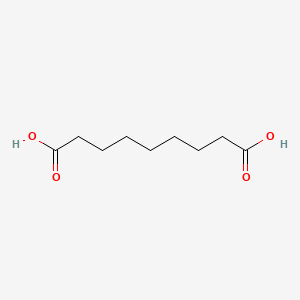
Azelaic acid 丨 CAS 123-99-9 is a naturally occurring dicarboxylic acid that is found in grains like wheat, rye, and barley. It is widely used in dermatology and skincare for its therapeutic effects on various skin conditions. Azelaic acid has antibacterial, anti-inflammatory, and keratolytic properties, making it a versatile and effective ingredient in topical treatments. Here are the key applications and benefits of azelaic acid:
Product Specifications
| Grade | Pharma grade |
|---|---|
| Appearance | White solid |
| Assay | 99% min |
| Total Dicarboxylic Acid Content | 99.5% min |
| Monoacid Content | 0.1% max |
| Melting Point | 107.5-108.5°C |
| Acid Value (MgKOH/g) | 585.0-595.0 |
| Water Content | 0.5% max |
| Ash | 0.05% max |
| Heavy Metals | 20ppm max |
| Light Transmittance, 440nm | 97-100% |
| Light Transmittance, 550nm | 97-100% |
| Chloride (Cl) | 0.005% max |
| Sulfate | 0.025% max |
| Iron (Fe) | 0.002% max |
Applications
1. Treatment of Acne:
- Application: Azelaic acid is used in topical formulations (creams, gels, or foams) to treat mild to moderate acne.
- Benefit: It works by reducing the growth of acne-causing bacteria (*Propionibacterium acnes*) on the skin, decreasing inflammation, and preventing the formation of comedones (clogged pores). Unlike some other acne treatments, azelaic acid is generally well-tolerated and less likely to cause skin irritation.
2. Rosacea Management:
- Application: Azelaic acid 丨 CAS 123-99-9 is commonly prescribed for the treatment of rosacea, a chronic skin condition characterized by redness, flushing, and visible blood vessels.
- Benefit: The anti-inflammatory properties of azelaic acid help reduce the redness and swelling associated with rosacea. It also helps to improve the appearance of bumps and pimples that often accompany this condition.
3. Hyperpigmentation and Melasma:
- Application: Azelaic acid is used to treat hyperpigmentation disorders, including melasma and post-inflammatory hyperpigmentation (PIH).
- Benefit: Azelaic acid inhibits the enzyme tyrosinase, which is involved in melanin production, thereby reducing the formation of dark spots and even out skin tone. It is particularly effective for treating hyperpigmentation in individuals with darker skin tones.
4. Keratosis Pilaris:
- Application: Azelaic acid is used to treat keratosis pilaris, a condition where rough patches and small, acne-like bumps form on the skin.
- Benefit: Azelaic acid's keratolytic action helps to exfoliate the skin, smoothing out the rough texture and reducing the appearance of bumps.
5. Anti-Aging Skincare:
- Application: Azelaic acid is incorporated into anti-aging skincare products to improve skin texture and tone.
- Benefit: By promoting cell turnover and reducing hyperpigmentation, azelaic acid helps to diminish the appearance of fine lines, wrinkles, and age spots, contributing to a more youthful complexion.
6. Treatment of Skin Disorders:
- Application: Azelaic acid is used in the treatment of various other skin disorders, such as lentigines (sun spots), seborrheic dermatitis, and certain types of eczema.
- Benefit: Its anti-inflammatory and antimicrobial properties make azelaic acid an effective treatment option for managing inflammation and preventing bacterial overgrowth in these conditions.
7. Skin Lightening and Brightening:
- Application: Azelaic acid 丨 CAS 123-99-9 is used in skincare products designed to brighten the skin and reduce discoloration.
- Benefit: Azelaic acid's ability to inhibit melanin production helps to lighten areas of hyperpigmentation and provide an overall brighter, more even skin tone.
8. Scar Reduction:
- Application: Azelaic acid is used to reduce the appearance of scars, particularly acne scars and hyperpigmented scars.
- Benefit: It promotes skin renewal and reduces pigmentation, helping to smooth out the skin's surface and diminish the visibility of scars.
Benefits
1. Antibacterial Properties:
- Azelaic acid effectively kills acne-causing bacteria on the skin, reducing the occurrence of breakouts and preventing the spread of acne.
2. Anti-Inflammatory Effects:
- The anti-inflammatory properties of azelaic acid help to calm redness, swelling, and irritation, making it ideal for treating inflammatory skin conditions like acne and rosacea.
3. Keratolytic Action:
- Azelaic acid helps to exfoliate the skin by breaking down the keratin in the outer layer of the skin, which unclogs pores and smooths rough skin textures.
4. Melanin Inhibition:
- By inhibiting tyrosinase, azelaic acid reduces melanin production, making it an effective treatment for hyperpigmentation, melasma, and dark spots.
5. Safe for Sensitive Skin:
- Azelaic acid 丨 CAS 123-99-9 is generally well-tolerated, even by individuals with sensitive skin. It is less likely to cause irritation compared to other acne treatments like benzoyl peroxide or retinoids.
6. Non-Photosensitizing:
- Unlike some other skin treatments, azelaic acid does not increase the skin's sensitivity to sunlight, making it safe to use during the day without a heightened risk of sun damage.
7. Versatility:
- Azelaic acid is suitable for a wide range of skin types and conditions, including acne, rosacea, hyperpigmentation, and keratosis pilaris, making it a versatile ingredient in skincare.
8. Comedolytic Activity:
- Azelaic acid helps to prevent the formation of comedones (blackheads and whiteheads) by keeping pores clear, which is essential in acne prevention and treatment.
Conclusion:
Azelaic acid 丨 CAS 123-99-9 is a highly effective and versatile ingredient widely used in dermatology and skincare. Its antibacterial, anti-inflammatory, and keratolytic properties make it particularly beneficial for treating acne, rosacea, hyperpigmentation, and other skin disorders. Azelaic acid is generally well-tolerated, safe for sensitive skin, and suitable for a wide range of skin types, making it a valuable addition to skincare regimens aimed at improving skin health and appearance.
Previous
Next
Conclusion
A concise summary and suitability assessment for this product is available on request. Contact our team to discuss whether it fits your process and quality requirements.