
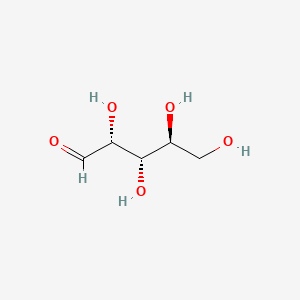
CAS · 5328-37-0
Product Overview
L-Arabinose丨5328-37-0, is a naturally occurring pentose sugar (a monosaccharide) that is a structural component of many complex carbohydrates found in plant cell walls. It is specifically an aldopentose, meaning it contains five carbon atoms and an aldehyde group, and it is commonly found in hemicellulose in the cell walls of plants.
Synthesis:
L-Arabinose丨5328-37-0 can be synthesized from various plant-derived sources, especially from hemicellulose and pectin. It is obtained through the hydrolysis of polysaccharides such as arabinans, which are abundant in plant materials like corn, wheat, sugar beets, and legumes. It can also be produced synthetically through chemical or enzymatic processes involving the breakdown of these complex sugars.
Product Specifications
| Property | Value |
|---|---|
| Appearance | White crystal powder |
| Purity (HPLC) | 99.0% min |
| Loss on Drying | Max 0.5% |
| Residue on Ignition | Max 0.1% |
| Specific Rotation | +102° ~ +105° |
| Melting Point | 154.0℃ ~ 160.0℃ |
| Chloride | 0.005% max |
| Sulfate | Max 0.005% |
| Lead (ICP) | Max 0.5 ppm |
| Arsenic (ICP) | Max 2 ppm |
| Cadmium (ICP) | Max 2 ppm |
| Mercury (ICP) | Max 0.5 ppm |
| Total Plate Count (mg/kg) | Max 3000 cfu/g |
| Coliform | Max 3 MPN/g |
| Yeast and Mold | Max 25 cfu/g |
| Salmonella | Undetected |
| Shigella | Undetected |
| Staphylococcus | Undetected |
Applications
1.Food Industry:
Sugar substitute: L-Arabinose has been studied for its potential as a low-calorie sugar substitute. It is less sweet than glucose and sucrose, but it has a lower glycemic index, making it a potential option for diabetic-friendly products. When used in combination with other sugars, it can help reduce the overall sugar content in foods and beverages.
Prebiotic: As a prebiotic, L-arabinose is used to promote the growth of healthy gut microbiota. It is sometimes added to functional foods and dietary supplements aimed at improving gut health.
2.Dietary Supplements:
L-Arabinose丨5328-37-0 is sometimes included in weight management and blood sugar control supplements because of its ability to reduce the glycemic index of certain carbohydrates. It has been suggested to inhibit the absorption of glucose by reducing the activity of alpha-glucosidase, an enzyme involved in carbohydrate breakdown. This inhibition can lead to a slower release of glucose into the bloodstream after meals.
3.Biotechnology and Pharmaceuticals:
Biofuel production: L-Arabinose is a key sugar component in the production of biofuels from plant biomass. Certain microorganisms, such as yeast and bacteria, can ferment arabinose to produce ethanol, which is a useful renewable energy source.
Pharmaceuticals: L-Arabinose and its derivatives are sometimes utilized in the synthesis of bioactive compounds for pharmaceutical applications, particularly in the development of drug delivery systems.
4.Cosmetic Industry:
L-Arabinose丨5328-37-0 has been researched for its potential in the cosmetic industry due to its antioxidant properties and its ability to influence skin health. It is sometimes used in formulations aimed at improving skin hydration or as a component of anti-aging products.
5.Agricultural Applications:
As a component of plant polysaccharides, L-arabinose is involved in the development of biodegradable materials and eco-friendly agricultural products. It can also be a part of fertilizers or used in processes for improving soil quality.
Benefits
● Blood sugar control: L-Arabinose丨5328-37-0 has been shown to inhibit the activity of alpha-glucosidase, an enzyme that breaks down carbohydrates into glucose in the intestines. By doing so, it can help lower blood sugar spikes after meals, making it beneficial for people with type 2 diabetes or those seeking to manage blood sugar levels.
● Weight management: Due to its lower glycemic effect and prebiotic properties, L-arabinose can contribute to better control of appetite and support the regulation of body weight. It can promote the growth of beneficial bacteria in the gut, which may help with the digestion and absorption of nutrients in a way that benefits weight management.
● Gut health: L-Arabinose's prebiotic effect can enhance the growth of Bifidobacteria and other beneficial gut microbiota, which in turn supports overall digestive health and immune function.
● Potential antioxidant effects: Studies suggest that L-arabinose may have some antioxidant properties, which could potentially help reduce oxidative stress in the body, contributing to cellular protection and anti-aging effects.
Conclusion
L-Arabinose丨5328-37-0 is a versatile sugar with a wide range of applications across industries such as food, biotechnology, and cosmetics. Its potential as a prebiotic, low-calorie sweetener, and blood sugar modulator makes it an attractive option for improving health and supporting various industrial processes. As research continues, L-arabinose's role in promoting gut health, weight management, and energy production from biomass will likely continue to grow, supporting its use in sustainable and health-conscious products.
Previous
Next