
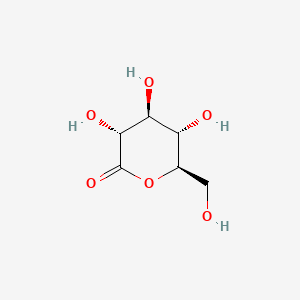
CAS · 90-80-2
Product Overview
delta-Gluconolactone is a high-purity feed-additives supplied for industrial and specialty chemical applications. Contact our team for specifications, packaging options and lead times.
Product Specifications
| Grade: | USP 35 |
|---|---|
| Appearance: | Colorless crystalline or white powder |
| Identification: | Conforms |
| Assay: | 99% to 101% |
| Reducing Substances: | Conforms |
| Heavy Metals: | 0.002% max |
| Lead: | 0.001% max |
Applications
1. Food Industry
a. Food Additive (E575)
● delta-Gluconolactone丨CAS 90-80-2 is approved as a food additive (E575) and is widely used as a slow-release acidifier in food processing.
● Gradually hydrolyzes to gluconic acid in water, providing controlled acidification.
b. Tofu Coagulant
● Used in the production of silken tofu (Japanese-style tofu) as a gentle coagulant that gives a smooth, delicate texture.
● Preferred over traditional agents like calcium sulfate for high-end or specialty tofu.
c. Leavening and Curing Agent
● Used in leavening systems alongside baking soda for heat-activated rising in baked goods.
● Serves as a curing accelerator in processed meats by influencing pH and enhancing preservative action.
d. pH Regulation and Shelf-Life Extension
● Helps adjust and maintain product pH to prevent spoilage and enhance microbial safety.
● Applied in dairy, canned foods, and fruit preparations.
2. Cosmetics and Personal Care
a. Polyhydroxy Acid (PHA) for Skin Care
● GDL is a polyhydroxy acid (PHA), a gentler alternative to alpha hydroxy acids (AHAs).
● Exfoliates the skin, improves cell turnover, and enhances hydration without irritation-suitable for sensitive and mature skin.
b. Moisturizing and Anti-Aging
● Acts as a humectant, drawing moisture into the skin.
● Supports collagen stimulation, skin renewal, and antioxidant protection.
● Commonly found in serums, toners, lotions, and acne treatments.
c. pH Control in Formulations
● Used to fine-tune the pH of cosmetic products, improving product stability and skin compatibility.
3. Pharmaceuticals and Healthcare
a. Chelating Agent
● Functions as a chelating agent, binding metal ions and preventing oxidative degradation in pharmaceutical formulations.
● Improves stability and bioavailability of sensitive active ingredients.
b. Mild Acidulant
● Included in oral rehydration solutions, vitamin supplements, and throat lozenges for flavor enhancement and acid balance.
c. Wound Healing and Antimicrobial Use
● Its acidic nature can help inhibit bacterial growth, making it suitable in wound care and topical antimicrobials.
4. Industrial and Chemical Uses
a. Cleaning Products
● Used in biodegradable cleaning agents and personal hygiene formulations due to its non-toxic, eco-friendly profile.
● Aids in pH adjustment, enhances performance of surfactants, and stabilizes enzyme-based products.
b. Metal Treatment and Electroplating
● Acts as a complexing agent in electroplating baths and industrial cleaners, helping prevent metal corrosion and scale buildup.
c. Polymer and Resin Applications
● Occasionally used in biopolymer production and as a monomer or modifier in specialty resins.
Benefits
1. Gentle Acidification
● GDL's gradual hydrolysis to gluconic acid makes it a slow-release acidifier, ideal for products that require time-sensitive pH control.
● Reduces harsh taste and irritation, enhancing consumer experience in foods and cosmetics.
2. Excellent Biocompatibility
● Naturally occurring and GRAS (Generally Recognized as Safe) status in the U.S.
● Non-toxic, biodegradable, and safe for ingestion or topical application.
3. Skin-Friendly and Non-Irritating
● Unlike stronger AHAs (e.g., glycolic acid), GDL (as a PHA) is less likely to cause stinging, redness, or peeling, making it ideal for sensitive skin, rosacea, or post-procedure care.
4. Versatile Functional Properties
● Offers acidification, sequestration, humectancy, and mild exfoliation in a single ingredient.
● Compatible with a wide range of formulation types, from clear beverages to thick emulsions and creams.
5. Regulatory Acceptance
● Widely approved for use in food, pharma, and cosmetic applications globally (EU, FDA, Japan).
● Well-documented toxicity and safety profile.
Conclusion
delta-Gluconolactone丨CAS 90-80-2 is a uniquely versatile ingredient that bridges food technology, cosmetics, pharmaceuticals, and industrial applications. With its mild acidifying nature, moisturizing and exfoliating properties, and excellent safety profile, it delivers a rare combination of efficacy, safety, and functionality.
Previous
Next
Conclusion
A concise summary and suitability assessment for this product is available on request. Contact our team to discuss whether it fits your process and quality requirements.