
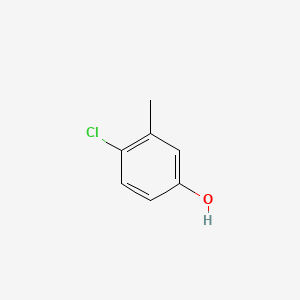
CAS · 59-50-7
Product Overview
4-Chloro-3-methylphenol is a high-purity pharmaceutical-intermediates supplied for industrial and specialty chemical applications. Contact our team for specifications, packaging options and lead times.
Product Specifications
| Property | Specification |
|---|---|
| Appearance | Off-white flakes crystals or block mass crystals |
| Purity | 98.0% min |
| Odour | Phenolic characteristic odour |
| Solubility | Clear solution |
| MP | 63-67°C |
| Residue on ignition | 0.2% max |
| Acid | 4.0-6.0 |
Applications
1. Antimicrobial and Disinfectant Use
4-Chloro-3-methylphenol丨CAS 59-50-7 exhibits potent antimicrobial activity, which makes it a valuable ingredient in products designed to kill bacteria, fungi, and other harmful microorganisms.
● Disinfectants: It is used in surface disinfectants and sanitizing solutions for hospitals, laboratories, and households, especially in environments that require high standards of hygiene.
● Hand sanitizers: Due to its antimicrobial properties, it can be included in formulations for hand sanitizers to provide protection against germs.
● Wound care: Some topical preparations use this compound for its antiseptic effects to prevent infections in minor cuts and wounds.
2. Preservatives in Cosmetics and Personal Care Products
4-Chloro-3-methylphenol is added to certain cosmetic formulations and personal care products due to its ability to prevent microbial contamination and prolong the shelf life of the product.
● Cosmetic preservation: In products like shampoos, conditioners, and moisturizers, this compound can act as a preservative to inhibit the growth of bacteria and fungi, ensuring product safety.
● Antifungal properties: It may be included in anti-dandruff shampoos and other scalp treatments to combat fungal infections like seborrheic dermatitis.
3. Pesticides and Fungicides
In agriculture, 4-chloro-3-methylphenol is employed as an active ingredient in certain pesticides and fungicides due to its ability to inhibit the growth of fungi and bacteria that affect crops.
● Fungicide formulations: It is used to treat various fungal diseases in crops and plants, helping prevent mold and mildew.
● Pest control: The compound is sometimes used as part of broad-spectrum pesticides to control the growth of harmful microorganisms and pests that can damage crops.
4. Pharmaceutical Use
In pharmaceutical formulations, 4-Chloro-3-methylphenol丨CAS 59-50-7 is used for its antiseptic and preservative qualities.
● Topical treatments: It can be found in creams and ointments designed for the treatment of skin infections and minor wounds.
● Antifungal agents: Some formulations use it to treat skin fungal infections like ringworm and athlete's foot due to its ability to inhibit fungal growth.
5. Industrial Applications
4-Chloro-3-methylphenol is also used in various industrial processes due to its chemical reactivity and properties as an intermediate in synthetic chemistry.
● Chemical synthesis: It is used in the production of other chemical compounds and intermediates in the pharmaceutical, agrochemical, and plastic industries.
● Organic synthesis: As a phenolic compound, it serves as a key starting material for chlorinated aromatic compounds in research and development of new chemicals.
Benefits
1. Antimicrobial Efficacy
The primary benefit of 4-chloro-3-methylphenol lies in its broad-spectrum antimicrobial properties. It is effective against a wide range of bacteria (both gram-positive and gram-negative), fungi, and viruses. This makes it highly beneficial for use in disinfectants, cleaning agents, and medical applications where sterilization and infection control are critical.
● Bacterial inhibition: It is particularly effective in controlling common pathogens, such as Escherichia coli, Staphylococcus aureus, and Salmonella.
● Antifungal action: Its antifungal properties are useful in preventing fungal growth in both medical and industrial settings, especially on skin and surfaces prone to mold or mildew.
2. Preservative Properties
In the cosmetics and personal care sector, the ability of 4-chloro-3-methylphenol to prevent microbial growth extends the shelf life of products, reducing the need for synthetic preservatives. It helps maintain product stability and protects against contamination, ensuring that personal care products remain safe for use over time.
3. Agricultural Use and Pest Control
The pesticidal properties of 4-chloro-3-methylphenol provide valuable support in crop protection, particularly in controlling diseases that threaten plant health. This leads to healthier plants and a more reliable yield in agriculture, contributing to increased food production and reduced crop losses due to microbial or fungal infestations.
4. Wound and Skin Infection Prevention
In pharmaceutical and medicinal applications, 4-chloro-3-methylphenol's antiseptic properties help prevent infection in minor wounds and cuts. This can promote faster healing and reduce the risk of complications like sepsis or bacterial infections in patients.
5. Economic and Practical Benefits in Manufacturing
The ability of 4-chloro-3-methylphenol to serve as a preservative, fungicide, and pesticide in multiple industries makes it an economical and versatile compound. Its wide applicability across cosmetics, agriculture, pharmaceuticals, and industrial processes contributes to its economic utility and practicality in various sectors.
Conclusion
4-Chloro-3-methylphenol丨CAS 59-50-7 is a highly useful compound with significant antimicrobial, antiseptic, and preservative properties, making it valuable in industries ranging from healthcare to agriculture. Its applications in disinfectants, cosmetics, pesticides, and pharmaceuticals highlight its importance in promoting hygiene, preventing infections, and supporting agricultural productivity. By providing a broad spectrum of microbial control, it helps ensure product stability, safety, and efficacy across various sectors, offering both practical and economic benefits.
Previous
Next
Conclusion
A concise summary and suitability assessment for this product is available on request. Contact our team to discuss whether it fits your process and quality requirements.