
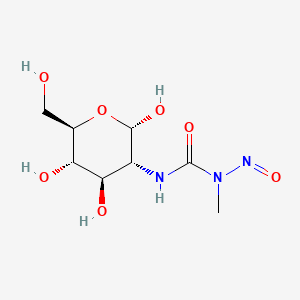
CAS · 18883-66-4
Product Overview
Streptozocin丨18883-66-4 is a naturally occurring compound that is primarily used in the treatment of certain cancers and as a chemotherapeutic agent. It is an antineoplastic (anti-cancer) drug that is especially effective against pancreatic neuroendocrine tumors. Streptozocin is derived from the bacterium Streptomyces achromogenes and is also used in experimental research for its ability to selectively destroy insulin-producing cells in the pancreas.
Mechanism of Action
Streptozocin's mechanism of action involves its ability to alkylate DNA, particularly in pancreatic beta cells. By introducing an alkyl group into the DNA, it disrupts the DNA replication process, leading to cell death. Streptozocin丨18883-66-4 has a preferential toxicity to the insulin-producing beta cells of the pancreas, which is why it is most often used for treating pancreatic neuroendocrine tumors (specifically, insulinomas).
Because streptozocin targets rapidly dividing cells and is highly toxic to certain types of cells, it is considered a cytotoxic chemotherapy agent. It is selectively more toxic to neuroendocrine tumor cells, especially those in the pancreas, which are responsible for insulin secretion.
Product Specifications
| Property | Value |
|---|---|
| Appearance | Pale yellow crystalline powder |
| Purity | 98% min |
| α Isomer | 75% min |
| Water | 3.0% max |
Applications
Detailed application notes for this product are available on request. Contact our technical team for the full application dossier, formulation guidance and regulatory documentation.
Benefits
The key benefits and differentiators of this product are available on request. Contact us for performance data, comparative specifications and selection guidance.
Conclusion
Streptozocin丨18883-66-4 is a highly specialized chemotherapy drug that is primarily used to treat pancreatic neuroendocrine tumors, particularly insulinomas, by selectively targeting insulin-producing cells in the pancreas. It is also valuable in experimental diabetes research due to its ability to destroy pancreatic beta cells. Despite its therapeutic benefits, streptozocin has a range of potential side effects, including kidney toxicity, bone marrow suppression, and gastrointestinal issues. Its use requires careful monitoring of renal function, blood counts, and electrolyte levels. Streptozocin should only be used in appropriate clinical settings with close supervision.
Previous
Next