
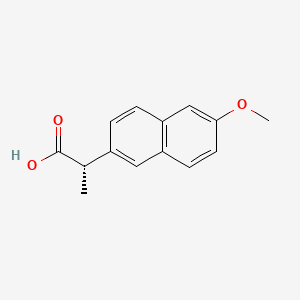
CAS · 22204-53-1
Product Overview
Naproxen is a high-purity a-api supplied for industrial and specialty chemical applications. Contact our team for specifications, packaging options and lead times.
Product Specifications
| Grade: | USP 40 grade |
|---|---|
| Characteristics: | White or off-white crystalline powder |
| Assay (On dried): | 98.5~101.5% |
| Specific rotation: | +83.0° ~ +89.5° |
| Loss on drying: | 0.5% max |
| Melting point (M.P.): | 154°C ~ 158°C |
| Impurity D: | 0.10% max |
| Impurity E: | 0.10% max |
| Single unknown impurity: | 0.10% max |
| Total impurities: | 1.0% max |
| Heavy metals: | 0.002% max |
| Toluene: | 45 ppm max |
| Methanol: | 50 ppm max |
Applications
1. Medical and Pharmaceutical Applications
a. Pain Relief
● Naproxen丨CAS 22204-53-1 is widely used as an analgesic to manage various types of pain, including:
Headaches, including migraines.
Dental pain.
Musculoskeletal pain such as arthritis, back pain, and muscle strains.
Dysmenorrhea (painful menstruation).
Postoperative pain following surgery.
b. Anti-Inflammatory Use
● Naproxen is effective in treating conditions associated with chronic inflammation. It is commonly prescribed for:
Osteoarthritis and rheumatoid arthritis to reduce joint pain, swelling, and stiffness.
Gout to alleviate pain and inflammation during acute attacks.
Ankylosing spondylitis to manage inflammation of the spine.
Tendinitis and bursitis to reduce tendon and joint inflammation.
c. Fever Reduction (Antipyretic)
● Naproxen is also used to reduce fever associated with infections or other inflammatory conditions.
d. Combination Products
● It is available in combination with other medications, such as opioid analgesics for more severe pain management, or combined with cold or flu medications for symptom relief.
e. Over-the-Counter and Prescription Uses
● Aleve is a popular over-the-counter (OTC) brand of naproxen that is used for the treatment of mild to moderate pain and fever. It is available in lower doses without a prescription.
● Prescription formulations are typically used for more serious conditions, such as arthritis and chronic pain.
2. Veterinary Applications
● Naproxen丨CAS 22204-53-1 has been used in veterinary medicine, primarily for pain relief and inflammation in animals, particularly in horses and cattle.
● It is used to treat conditions such as laminitis (inflammation of the hooves) and arthritis in larger animals.
● Veterinary formulations typically have different dosing guidelines and considerations due to differences in species metabolism.
3. Potential Use in Cancer Therapy
● Emerging research has explored the potential use of naproxen in the context of cancer therapy, particularly in the prevention and treatment of certain cancers.
● Studies suggest that naproxen's ability to inhibit COX-2 may reduce the inflammation-related pathways that contribute to cancer development, especially in cancers such as colorectal cancer.
● However, naproxen and other NSAIDs are still being studied in clinical trials to determine their efficacy and safety in cancer prevention or as adjunctive treatments.
Benefits
1. Effective Pain Management
● One of the most significant benefits of naproxen is its ability to provide effective pain relief for a variety of conditions.
● It works by reducing prostaglandin production, which helps decrease inflammation and pain.
● As an NSAID, naproxen is effective in treating both acute and chronic pain, especially musculoskeletal pain related to arthritis and injuries.
2. Long Duration of Action
● Naproxen has a longer half-life (approximately 12–17 hours) compared to many other NSAIDs. This means it requires fewer doses throughout the day (typically twice daily), providing convenience for patients with chronic pain or inflammation.
● This extended action makes naproxen particularly useful for conditions like arthritis, where consistent and prolonged pain management is essential.
3. Anti-Inflammatory Effects
● Naproxen丨CAS 22204-53-1 is effective at reducing inflammation, making it an ideal treatment for diseases characterized by chronic inflammation, such as rheumatoid arthritis, osteoarthritis, gout, and ankylosing spondylitis.
● It can help prevent joint damage and improve overall mobility in patients with chronic inflammatory conditions.
4. Fever Reduction
● As an antipyretic, naproxen helps reduce fever associated with infection or inflammatory conditions. This can help provide relief during flu-like illnesses, colds, or other acute infections.
5. Widely Available and Cost-Effective
● Naproxen is available both over-the-counter and by prescription, making it accessible to a wide range of patients.
● Its OTC availability at lower doses means that individuals can manage common pain and inflammation without needing a prescription, increasing patient access to effective medication.
6. Lower Risk of Gastrointestinal Toxicity
● Compared to some other NSAIDs (like ibuprofen or aspirin), naproxen is considered to have a lower risk of gastrointestinal side effects such as ulcers or bleeding. However, long-term or excessive use can still lead to gastrointestinal issues, so it should be used cautiously.
Conclusion
Naproxen丨CAS 22204-53-1 is a widely used NSAID known for its efficacy in pain relief, anti-inflammatory effects, and fever reduction. It is particularly effective for conditions such as arthritis, gout, musculoskeletal pain, and dysmenorrhea. Its long-acting formulation, typically requiring only two doses per day, makes it an attractive option for chronic pain management.
Previous
Next
Conclusion
A concise summary and suitability assessment for this product is available on request. Contact our team to discuss whether it fits your process and quality requirements.